BEHIND THE BRASS
Meet Chris Corriveau, AmmoSquared co-founder and technology leader. Discover how competitive Run N Gun shooting, fitness, and regenerative farming shaped his approach to preparedness, self-reliance, and building a company customers can count on.

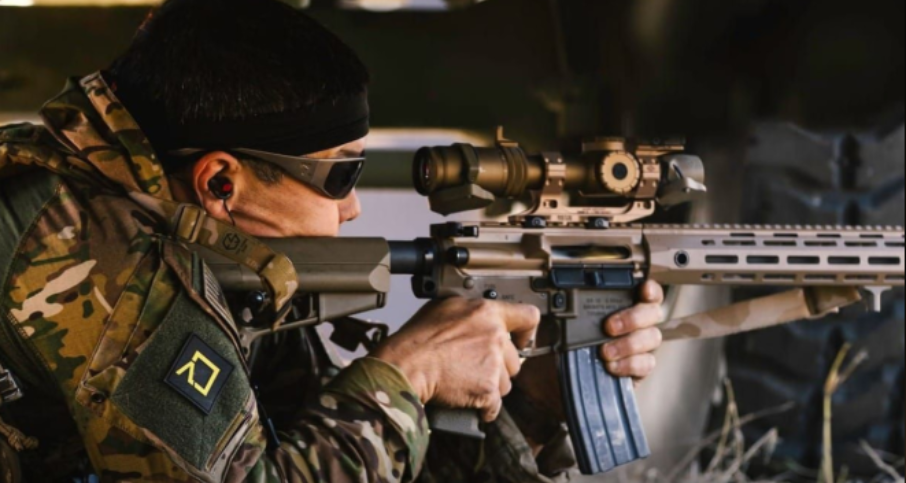
Chris Corriveau: Building the Technology, Testing the Mission
Chris Corriveau is the third co-founder of AmmoSquared and the person behind much of the technology that has helped take the company from its early days to where it is today. With a background in technology, Chris came to AmmoSquared at just the right time. What started with helping solve a technology problem eventually became a much bigger role: building the systems that could support a growing company and leading the team responsible for them today.
How Chris Became Part of AmmoSquared
You originally found AmmoSquared as a customer. What made you reach out?
I read Dan’s blog posts and saw the vision and believed in the potential to help people stockpile ammo and end the ammo droughts and spikes in prices as times got tough. I saw a genius idea/concept and 2 hard-working people that shared similar values and experiences as me.
What was happening with the technology when you first came on board?
It was a proof of concept and pretty basic. It was a good first attempt to test and to answer the question “Will other people buy into this idea?”. Overall, it needed some work.
The biggest challenge was getting all the spreadsheet madness and Dan’s brain created into a version of software.
What are you most proud of building or helping build?
The team and culture of AmmoSquared. I mean, of course, the app and all, but it’s really been assembling the most amazing team who all share the same passion and values.
How has your role changed now that you lead an engineering team of four?
It’s no longer on me, which is great to have a group to share things with. We’ve got a team of folks that are way smarter than me, so I get to learn so much, and we get to do amazingly cool things that I only dreamed of.
What's something about the technology behind AmmoSquared that customers probably never think about?
We are an engineering company at heart, so it’s all about solving problems, and I don’t think most customers understand how we’ve built almost everything that runs the business, from the app you see to how the logistics happen behind the scenes, bridging the virtual world with the physical world. It’s really amazing how all the pieces work together.
After all these years, what still excites you about building AmmoSquared?
Building an amazing company and business that serves the people to make sure that their constitutional right can not be infringed.
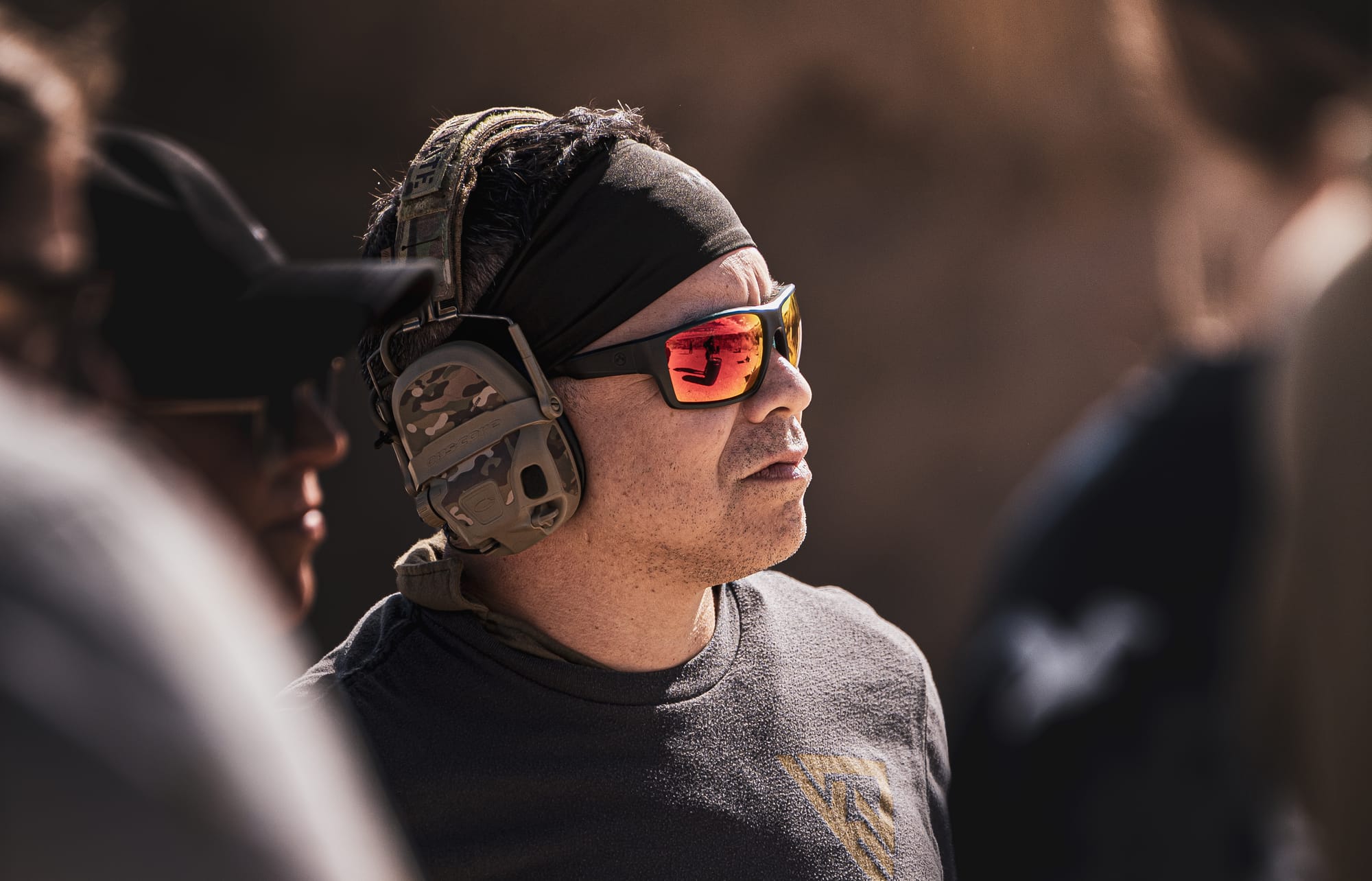
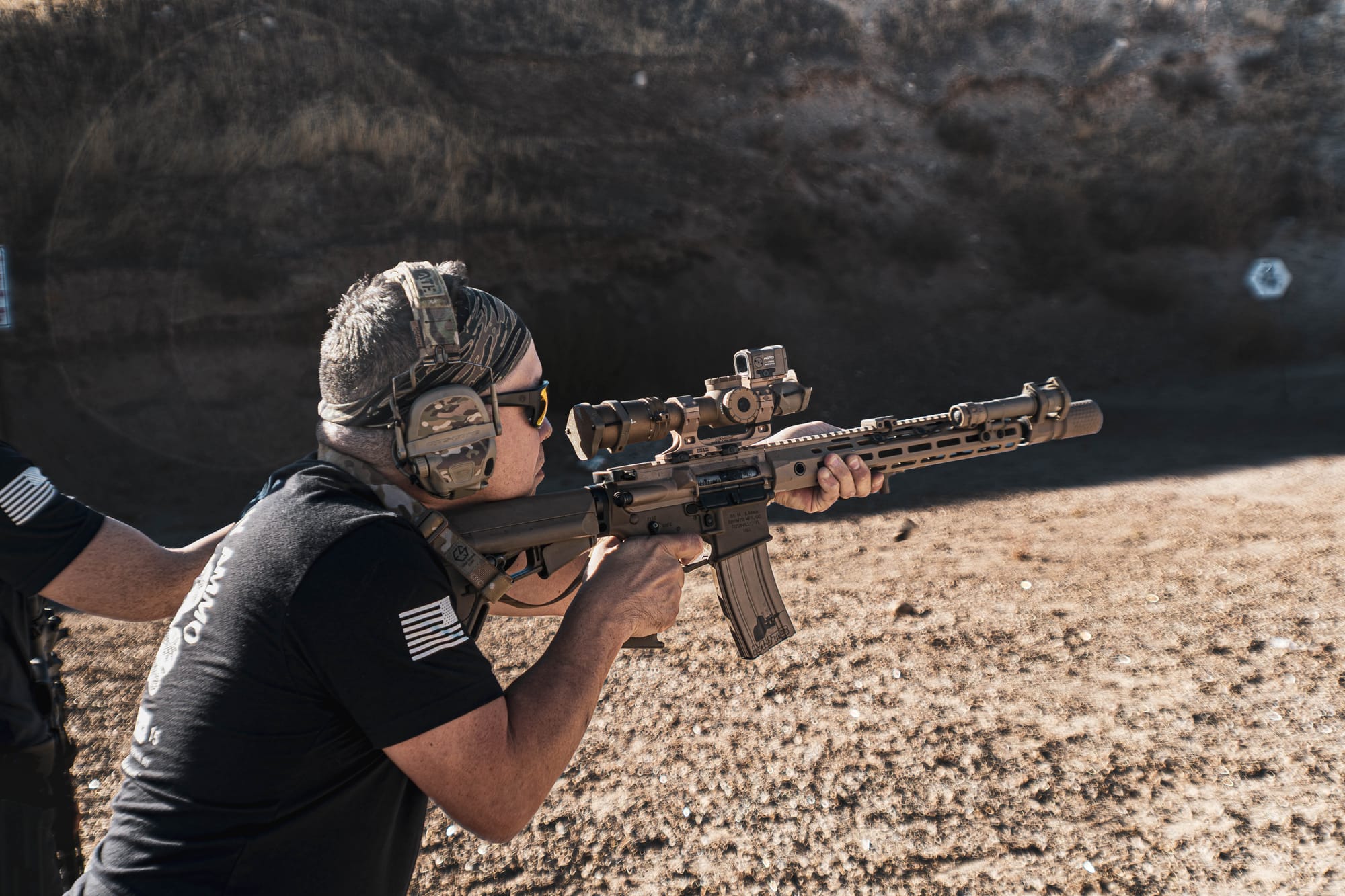
But Chris's work at AmmoSquared is only one part of the story. Outside of technology, he's spent the last several years challenging himself in a very different way: Run N Gun competition. What started as a shooting competition became a catalyst for a much bigger change in his health, fitness, and understanding of preparedness.
Run N Gun & Becoming More Capable
How did you first get involved in Run N Gun?
I was feeling like I needed to get back into shape, and I’m the type of person that needs to have an event/goal I commit to, to motivate myself. I was trolling Facebook and saw an ad for a Run N Gun. I liked guns, and I knew running would get me physically in shape, so I signed up and started training.
What did your first competition teach you about yourself? Was there a moment when you realized your fitness was holding you back?
I was not in shape or the capable human I thought I was.
I wanted to be the best version of me that I could be. I fell in love with the competition, and after the first year of really getting my butt kicked, I realized I would need to focus on eating right, training, getting more time behind the gun, and taking various classes. Also, I realized that gathering the skills and testing my gear would make me a prepared individual.
What changed first: your diet, your training, or your mindset? And what was the hardest part of the transformation?
Well, it was my desire to be more competitive and to do bigger, longer events, and my wife telling me that if I wanted to be competitive, I would need to commit, and she’d help me focus and commit to eating right, then training, and finally spending weekends at the Run N Gun events each month.
Eating right is a lifestyle change and was the hardest part, which brought the most transformation and was the start of everything. Getting more fit and feeling better allowed for more capable training and performance.
What has competing taught you about the relationship between equipment, skill, and fitness?
It’s a careful balance of the right reliable equipment, but not too much gear, as they say, ounces equal pounds, and pounds equal pain. So there are limits to what you want and how much to carry. The fitter you are, the less impact carrying the equipment is and the more you can do, the faster you can run. It’s all related.
Is there a particular competition or moment you're especially proud of?
Just completing an event is a huge accomplishment, and the feeling of finishing is unbelievable. I’ve done two Ultra Run n Guns, which were 28+ miles, and the first race was one I will never forget. There was a time cut-off at 4:00 pm at a checkpoint in order to get one last lap, which I had just barely made.
The hardest part was into the 20th mile when I had a sharp burning pain on the outside of the knee (Iliotibial band syndrome) due to friction from all the mileage.
I made it and was one of only 5 to cross the finish line with a total of 28 miles. It was the most painful and hardest competition I had ever completed, and crossing the finish line was a proud moment.
What's something you can do today that you couldn't have done five years ago?
Run for miles and enjoy it, shoot under stress, and go into an unknown course of fire and think quickly to work the problem.
“Living What We Sell”
What does preparedness mean to you personally?
Preparedness means being comfortable with being uncomfortable, having a backup to the backup, and being ready for any challenge. It’s training and working on both the software and hardware.
How has your definition of “being prepared” changed since you started competing?
I didn’t really know what it meant to be prepared besides what theories you have read, or seen in a video. It’s different to really go out and do things that challenge you, like cross a pond with all your gear or crawl through sand and mud, or have enough water and food to continue going for 28 miles in a day. That saying, “Two is one and one is none,” really is true and having backups is critical when competing in such unpredictable conditions.
You don’t know what’s going to get thrown at you and you have to be up for any challenge, quick at solving problems and it all really tests not only your shooting skills but a test of your physicality and a test of your gear. You really get to know what works and doesn’t work.
Taking this into daily life is what I now consider being prepared.
How much of preparedness is actually about owning things, and how much is about being capable?
It helps to have the software and the hardware. But I think overall, if I had to choose, being capable is the most important. If you are capable, you can own nothing or own everything. And either way, you can solve the problem and make it work. Just owning things doesn’t make you capable.
Do you think people sometimes confuse having the right gear with actually being prepared?
Yes, absolutely. There are so many people that just talk about being prepared, but they never do anything. They buy the gear and never train with it. Or they buy some freeze-dried food or other tool and think just by owning it they are all set and never actually test it out. Waiting until you’re under stress or in an SHTF situation isn’t the time to figure out how that water kit works.
What does “being ready” look like in your everyday life?
Always learning and growing daily, I consider being ready. That means reading, gaining knowledge, continuing to improve our homestead, carrying my knife, gun, and light everywhere I go, and having food and feed for at least a few weeks.
Do you personally use AmmoSquared the way you encourage customers to use it?
Yes, I’m not only a Co-founder, but I’m also a customer!
I’m biased and really develop and think about our product and how it works, as I would want it to work for me. I’m a buy-and-store ammo guy who takes a shipment maybe twice a year but really uses AmmoSquared as my backup supply that I just keep building. I also see it partially as an investment and like to continue to watch it build up over time.
If AmmoSquared is about building something you can rely on when it counts, what are you personally trying to build?
I’m trying to personally build a life that counts and that my family and I can rely on. This is why we live on a homestead where we grow and make some of our own food, have a well for water, a generator, and many animals.
It’s why I’m excited to build AmmoSquared as something that everyone can rely on.
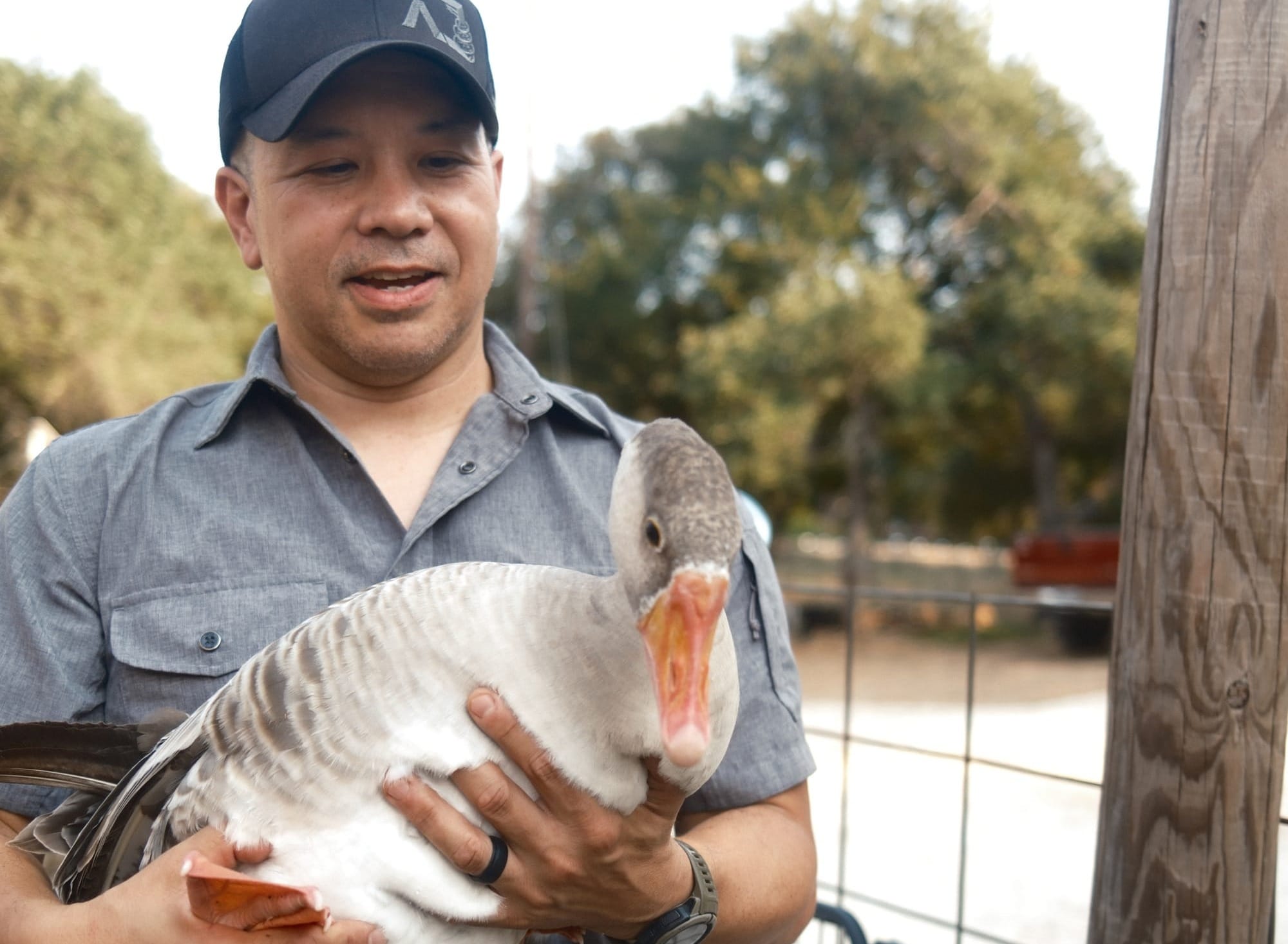
When Chris isn't working on technology or training for his next competition, you'll find him on his farm in Texas. He started the farm in 2016, building it into a regenerative farm and compassionate animal sanctuary.
The Farm & Animal Sanctuary
You started your farm in 2016. What made you want to do that, and what drew you to regenerative farming?
My wife. She wanted chickens.
We wanted to be self-sustaining and less dependent on the system. We moved away from the city to build our own thing to be independent and grounded. There is something to be said about seeing the fruits of your labor.
How did the farm become an animal sanctuary?
It started with the chickens, then expanded to goats, donkeys, and a couple of dogs. Then some folks were looking to rehome a goat and that really started it all.
I guess word traveled, and we became the place to call if you had a pig or goat or tortoise and could no longer take care of it. We would take it in and give it a home where it could have a good life, just hanging out and playing with other similar animals.
What's the hardest part of caring for the animals?
They need to be fed and watered every day, no matter the weather or how you feel. I would say it sometimes is hard trimming hooves or nails, shearing wool, or giving medicine. But that doesn’t have to happen too often and it doesn’t take as much time as you might think. The hardest part is that you have to be there daily for them, so that limits where you can go or for how long.
I’ll say we don’t travel much.
What's something the farm has taught you that technology never could?
We humans belong here, connected to the earth and getting our hands dirty. The dirt and sun will keep you healthy. And all that hard work, while it might be the hardest you’ll ever work, is an unbelievable feeling of accomplishment and makes you proud to see what you accomplish.
How do you balance running the farm with leading technology at AmmoSquared?
It all comes and goes in seasons for both the farm and AmmoSquared. So, I don’t know if there is such a thing as “balance.” However, I feel like they complement each other. The farm life grounds me and makes sitting in front of a computer and working on tech enjoyable. It also helps open my mind to different ideas and gives me time away to think.
The Common Thread
You have a pretty unusual combination of technology, competitive shooting, and regenerative farming. Do you see a common thread between them?
Ha! Yeah, I would say it’s a little unusual, but I think we covered it with the “preparedness” theme as the common thread. The other thing would be problem-solving.
All to me are a challenge in my life. Tech is always something new and there’s always a problem to solve. The same is true for shooting and the farm; I've never grown up on a farm before, so it’s all learning and challenging, as you never know what’s gonna happen day to day.
What has getting older taught you about what really matters?
Be content, and you will be much happier. Life gets so much easier.
If you could go back and talk to yourself when you first joined AmmoSquared, what would you tell him?
The firearms industry is not like any other business you have been a part of. It won’t be easy, and you will be treated like a second-class citizen or criminal for working within an industry that is constitutionally protected.
What do you hope you've helped build at AmmoSquared that lasts beyond you?
As far as a product, I don’t think we’ve built it yet. But something else that I’ve helped build that I want to last beyond me is our company culture. I want it to always be a place that people are proud to be a part of and enjoy working at.
What does success look like for you now?
Success at AmmoSquared to me looks like us unlocking the value of ammo to the world in a way that normalizes ammo and culturally changes how people view guns.
Lightning Round
Favorite Caliber/Platform?
.300 Blackout, just cause you get supers and subs, and my 2 favorite rifles are my Honey Badger SD and Mini Fix, both in 300BLK. I love the look on the face of anyone new to guns when they shoot either of those rifles.
Most underrated training drill?
I would have to say Strong-Hand One-Handed Draw from concealment.
Favorite weekend activity?
Training, Shooting comp, Run n Gun when I can.
But a typical fun weekend activity is getting round bales from one of my favorite ranches and feed from Murdoch’s.