
Concealed Carry Part 1: What Most New Carriers Get Wrong
Learn why firearms training, repetition, recoil management, and structured practice matter far more than expensive upgrades or internet trends—and discover a simple live-fire drill designed to help newer shooters build real-world capability safely and effectively.

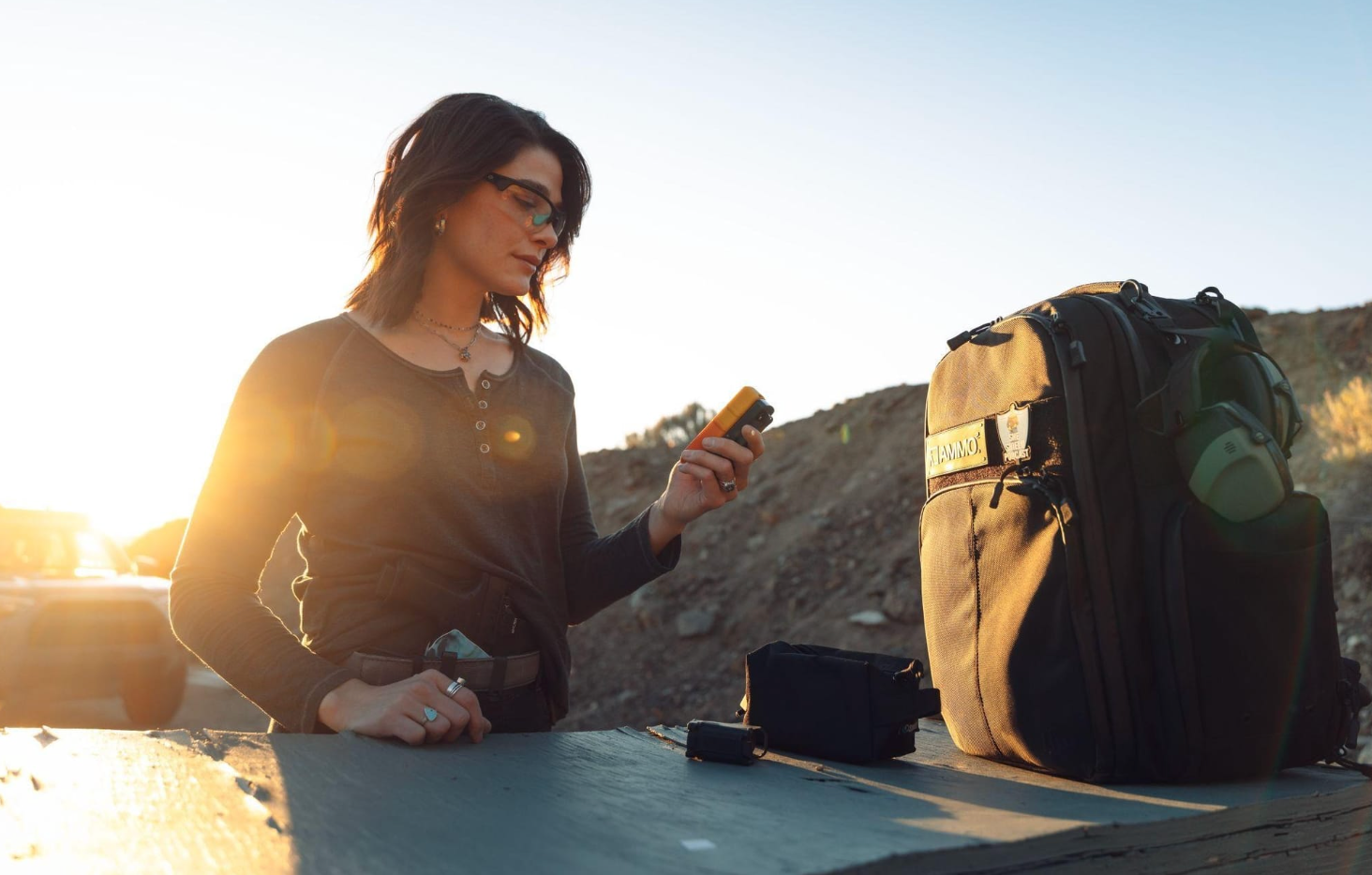
Over the last few years, millions of Americans have become first-time firearm owners. According to NSSF estimates, approximately 26 million Americans have purchased their first firearm since 2020. Pew Research also reports that roughly 32% of American adults personally own a firearm, while civilian firearm ownership in the United States is estimated at around 393 million firearms total.
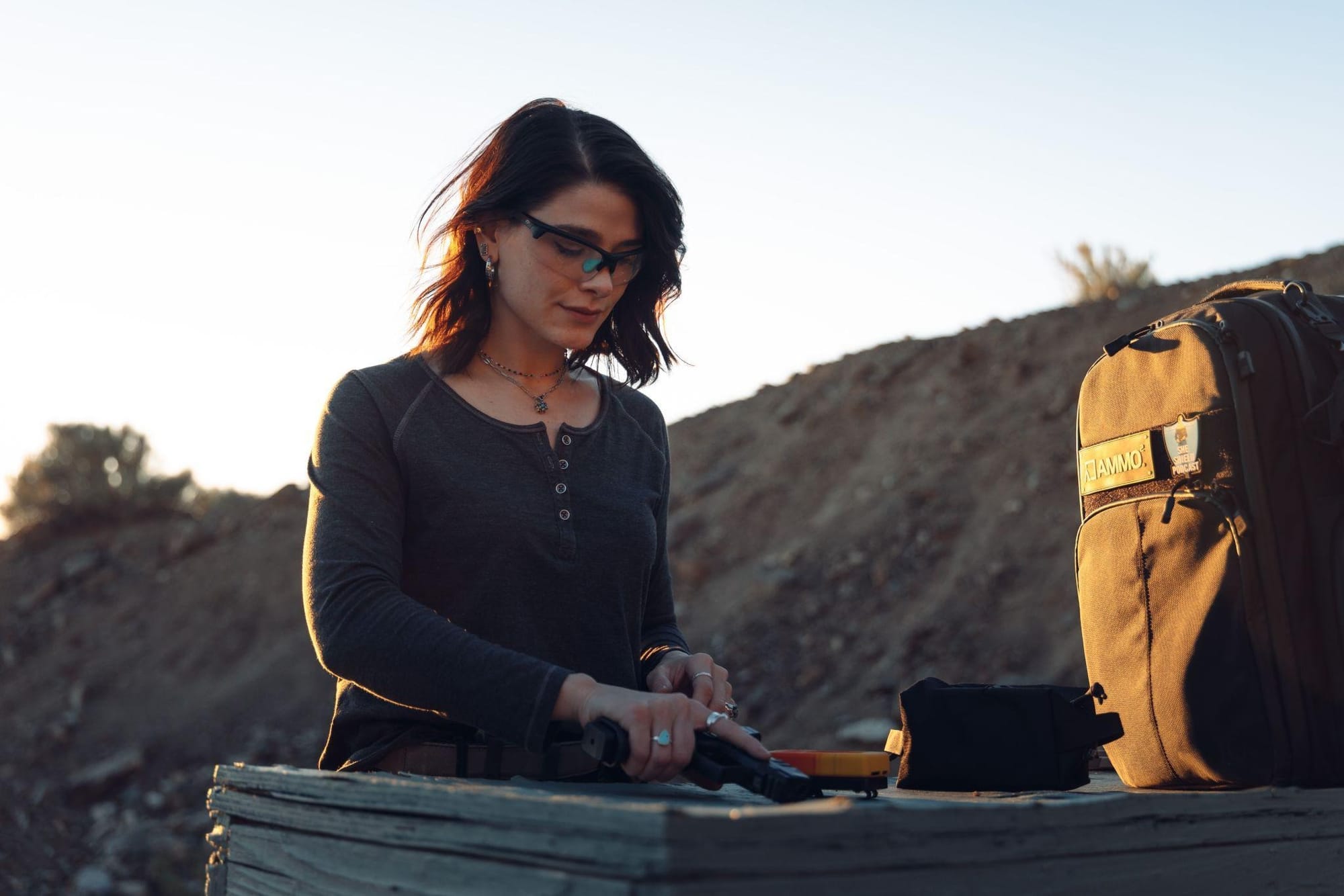
America has more firearms than people, but ownership alone does not create preparedness. As a firearms instructor, avid practitioner of concealed carry technique, and student, one of the biggest misconceptions I continue to see with newer shooters is the idea that simply owning the equipment automatically translates to capability under stress.
It does not.
The reality is that firearm skills are highly perishable. Drawing efficiently, managing recoil, safely handling the firearm, and making decisions under pressure all require repetition over time. A lot of newer shooters underestimate how quickly these skills begin to fade when training becomes inconsistent.
One of the hardest things for newer shooters right now is, honestly, information overload. Social media has made firearm education much more accessible, which is a good thing overall, but it has also made it very easy for people to skip directly into advanced techniques before building solid fundamentals first.
I see people spend more time researching optics, trigger modifications, and holsters than they spend learning how to safely and consistently present the firearm. There is nothing wrong with quality gear. I genuinely believe good equipment matters. The issue is when the gear starts becoming a substitute for skill development instead of something that supports it.
As a firearms instructor, one thing I see fairly often with newer students is that they will show up to class with either a heavily modified “built out” handgun they are not fully comfortable running yet, or they arrive carrying a firearm that was originally selected by someone else, often their husband, without ever being taught how to properly grip or manage recoil with that particular setup. Many assume the equipment itself is the solution, when in reality, the ability to safely and confidently control the firearm matters far more than how customized it is. I would much rather see someone show up with a simple, reliable setup they can consistently handle well than an overly complicated one they struggle to control under pressure.
Formalized training is also too often overlooked. In 2017, national survey data found that approximately 61% of gun owners reported receiving some form of formal firearms training.
Resource:Formal Firearm Training National Survey
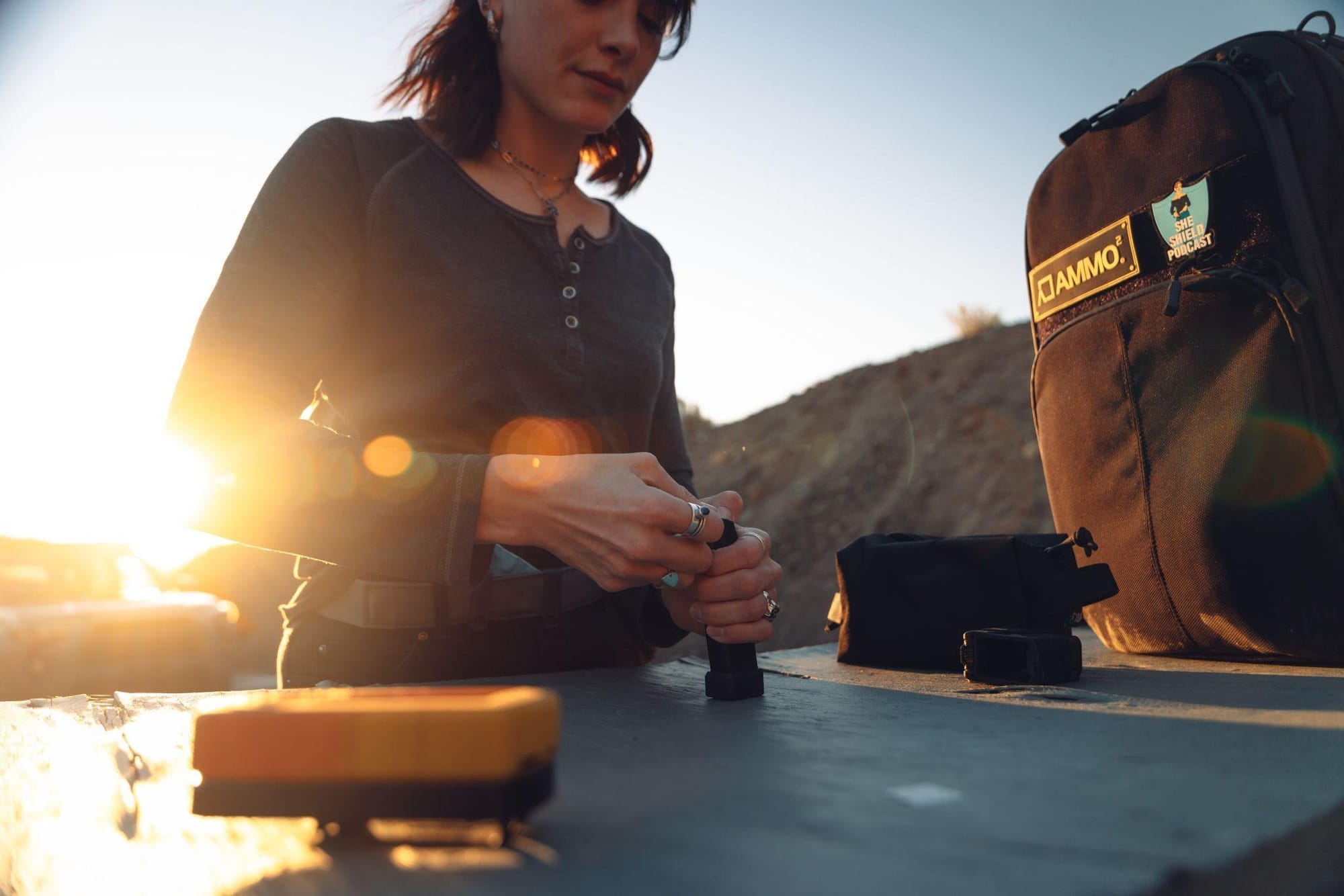
The important distinction is that “formal training” can mean a lot of different things, especially because there are very few universal standards in what we generally call the gun industry. For some people, formalized training might mean attending a concealed carry permit class. For others, it could mean a hunter’s safety course, a very generalized introductory class, or even a single informal range session from years ago.
Those experiences are not necessarily bad starting points, but they also do not automatically mean someone maintains their skills afterward. In many cases, they are barely the beginning and were never intended to be anything more than an introduction or legal requirement.
One of the biggest mistakes newer carriers make is chasing speed too early. People see advanced shooters online running drills quickly and immediately assume speed is what matters most. Suddenly, the focus becomes trying to achieve a sub-second draw from concealment before someone has even built consistency with grip, recoil management, or safe firearm handling.
Most newer shooters do not need advanced drills yet. What they actually need is repetition. That means building safe gun-handling habits, learning what a consistent grip feels like, managing recoil between shots, and creating some form of structure around both dry fire and live fire instead of simply going to the range occasionally without direction.
The shooters who improve the fastest are usually the ones willing to stay focused on fundamentals longer than everyone else.
One thing I have found especially helpful with newer shooters is introducing simple, measurable standards early on. It gives people a way to track progress without feeling overwhelmed or pressured to immediately perform at a high level.
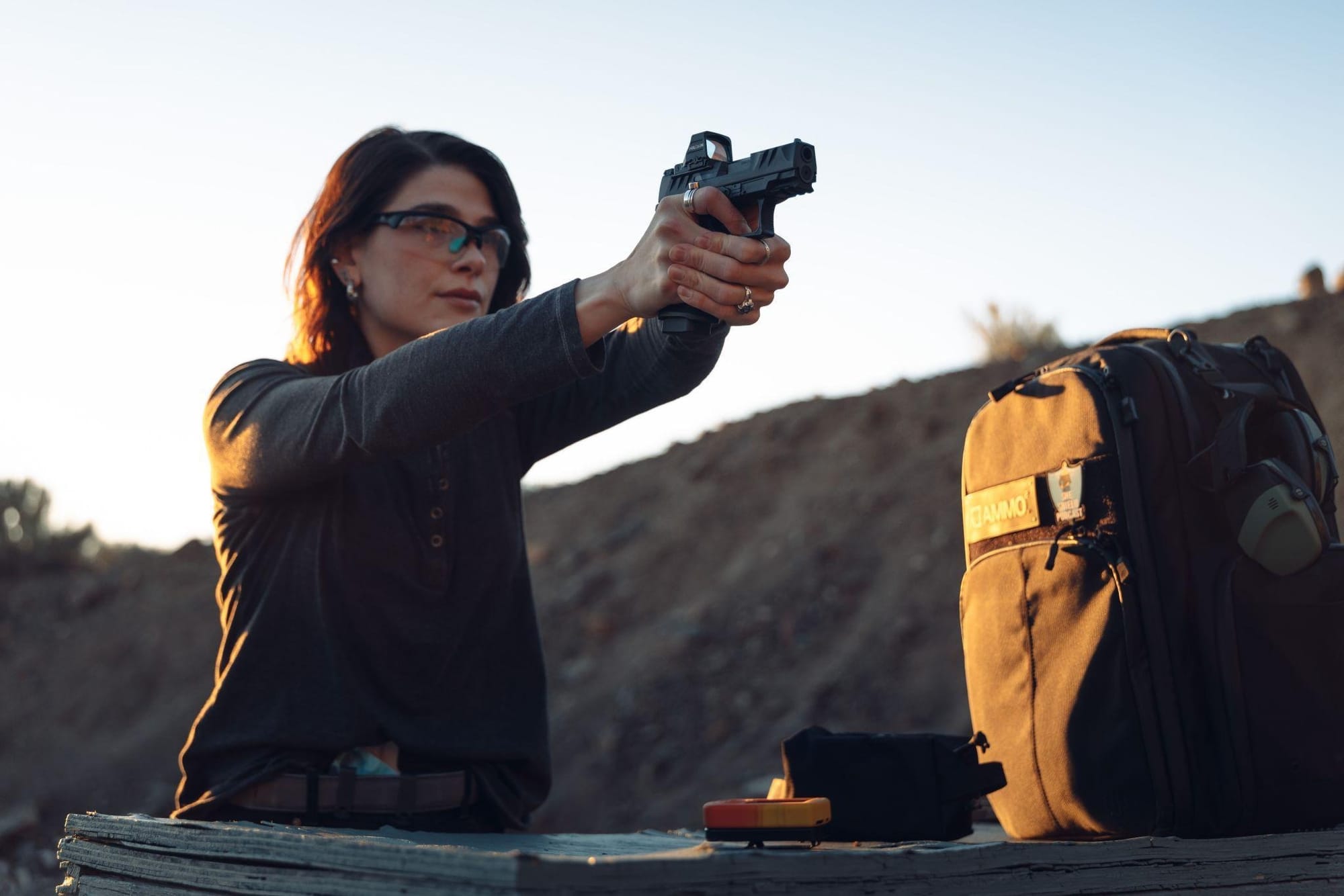
A great starting point is a Bill Drill from compressed ready.
I like starting from compressed ready because it strips away some of the moving pieces that tend to overload newer shooters early on. Instead of worrying about the draw itself, people can focus more on recoil control, sight tracking, and learning what accountability actually feels like under repetition.
Part I Live Fire Drill: Compressed Ready Bill Drill
This drill is best for newer shooters, building recoil control and accountability before introducing a draw. Practice this drill first with dry fire to ensure safe gun handling.
Set-up
- Distance: 7 yards
- Start: Compressed Ready
On timer:
- Fire 6 rounds
- Keep all hits in the A-Zone/high-center chest
- Record your time if you have access to a shot timer
The focus here should stay almost entirely on safety and consistency. Newer shooters should be paying attention to how complete their grip feels, how connected the webbing of their hand is to the beavertail of the firearm, whether their trigger finger is indexing safely along the slide when not actively shooting, and how efficiently their sights settle back onto the A-Zone between shots.
Simple drills like this teach far more than trying to shoot quickly for social media. The purpose of this drill is simply to learn the parameters of the Bill Drill while avoiding task overload too early, especially before introducing a holster draw.
Resources:
At the end of the day, a firearm is only a tool and still requires training to ensure it can actually be utilized effectively. Preparedness comes from the work someone puts in afterward, not from the purchase itself. Stay safe and stay vigilant.