
Concealed Carry from Scratch Part II: Why Structured Training Matters More Than Gear
New shooters should build skill progressively, starting with safety, grip, stance, trigger control, range fundamentals, and concealed carry basics before advancing.

The fastest way to become unsafe or overwhelmed is to skip training and rely entirely on internet information.
Many newer shooters feel pressure to move too quickly. They see competition footage, advanced drills, and experienced shooters performing at speed online, then immediately assume that is where they should start. The problem is that skill does not work that way.
Preparedness should be built progressively.
The safest and most capable shooters I know are usually the ones who spent the most time building layers correctly instead of trying to rush directly into advanced techniques.
After many years of consistent training, I have personally started viewing training progression in five general levels. Not because everyone’s path will look identical, but because progression matters.
Level 1: True Fundamentals
Every shooter starts here, whether they want to admit it or not.
At this stage, most shooters should still be heavily focused on safety, grip, stance, and trigger control. This is where habits begin forming, both good and bad, and small details matter far more than people realize early on.
That includes:
- maintaining proper trigger finger discipline
- building a complete grip every repetition
- creating a strong connection between the webbing of the hand and the beavertail
- developing a stable stance
- learning how the firearm actually cycles under recoil
This stage is not glamorous, but it matters more than almost anything else later on.
You cannot build speed on top of unsafe handling.
Level 2: Range Fundamentals
Once safety becomes more automatic, the next step is learning how to build repeatable performance.
This is usually where shooters begin tightening up accuracy, improving recoil management between shots, and learning how to transition targets without completely losing visual accountability. A lot of improvement at this level, honestly, comes from slowing down and paying attention to what the sights are actually doing rather than simply trying to shoot faster.
This is also where consistency really starts developing.
Level 3: Concealed Carry-Specific Skills
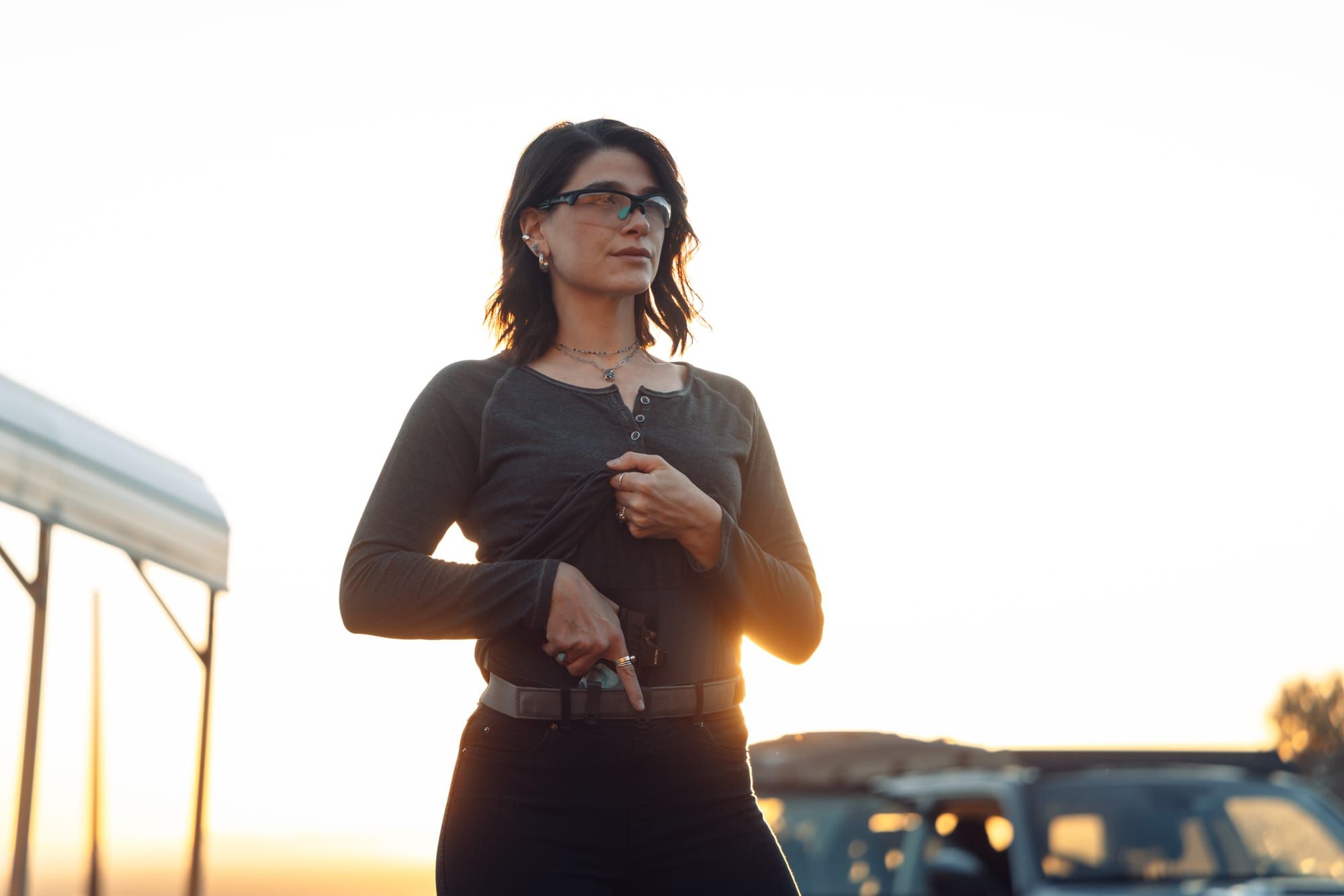
Once someone starts carrying concealed consistently, the focus usually shifts toward garment clearing, building a repeatable draw stroke, safely reholstering, and figuring out what concealment setup realistically works for their lifestyle and body type.
The concealed carry draw is often broken down into four steps:
- clearing the concealment garment
- obtaining a strong firing grip
- drawing the firearm into a compressed ready position
- driving the firearm outward toward presentation
A lot of people discover pretty quickly that concealment changes everything. Shooting well from a static lane is one thing. Clearing a garment efficiently without rushing, getting a full grip on the firearm, and safely reholstering without becoming careless is a completely different skillset.
This is also where patience matters.
Level 4: Pressure & Performance Environments
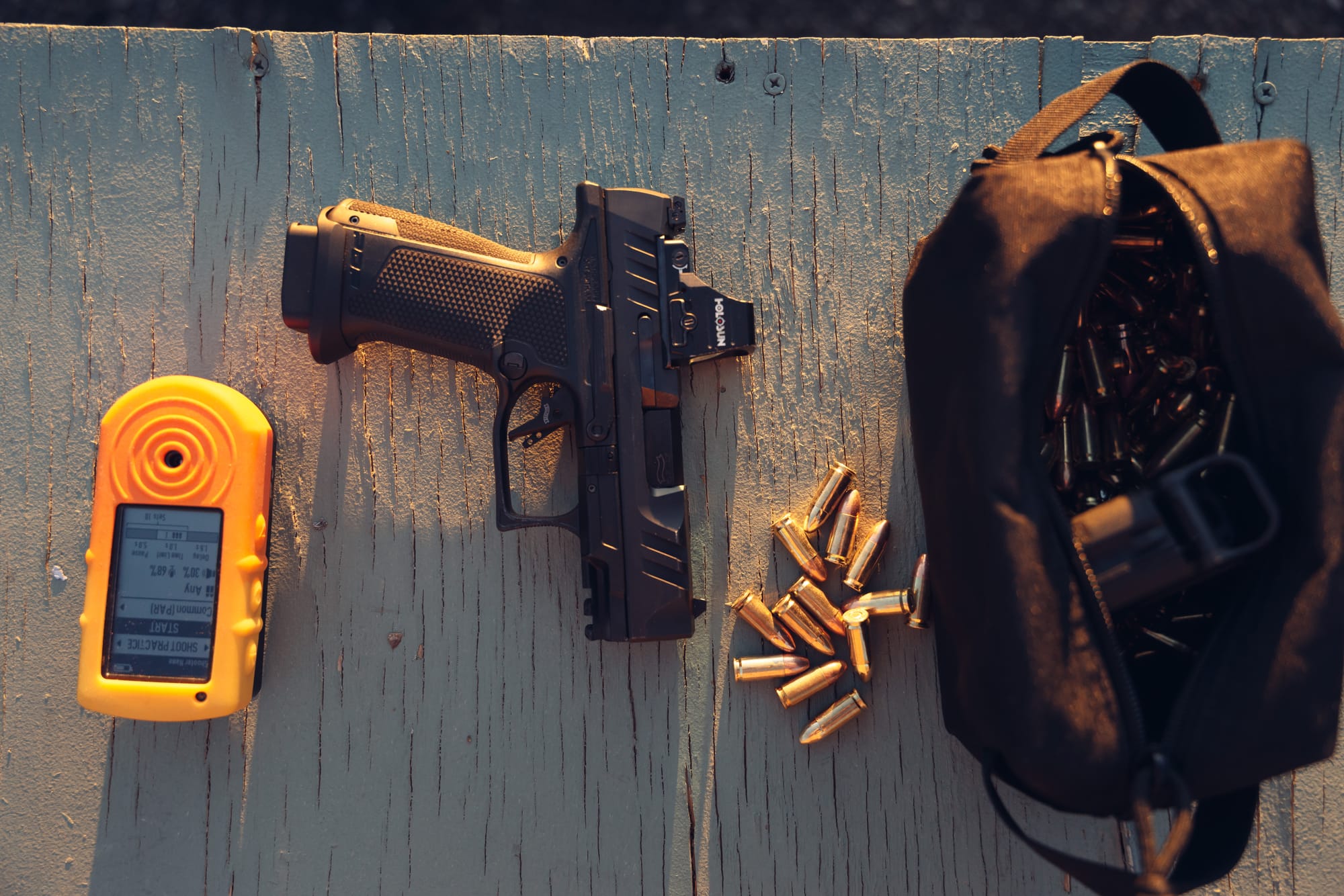
This is where timers, structured drills, and competition environments become extremely valuable.
Organizations like USPSA and IDPA are excellent for exposing inefficiencies quickly.
Resources:USPSA
Competition is obviously not defensive training, but I still think it is one of the best environments available for exposing inefficiencies honestly. Timers force accountability. Movement introduces pressure. Reloads become measurable. You also learn very quickly what parts of your gun handling begin falling apart once speed gets introduced.
It is also one of the best ways to meet other shooters and become part of the community- my absolute favorite part of competitive shooting.
Level 5: Advanced Context & Problem Solving
Once fundamentals become much more automatic, contextual training becomes significantly more valuable.
This includes:
- decision-making under stress
- verbalization
- concealment draws into retention positions
- problem-solving under pressure
Classes like ShivWorks ECQC-style training are great examples of this type of work.
Resource:ShivWorks ECQC Information
These environments force people to think beyond marksmanship alone.
Craig Douglas, the founder and lead instructor of ShivWorks, helped establish a much higher expectation for contextual firearms training. As a newer shooter, you have to be an advocate for yourself. Spend time evaluating instructors instead of simply following the loudest personality online.
When evaluating instructors, there are a few things I personally pay attention to almost immediately. I look at how they communicate, how they adapt to different students, whether they prioritize safety consistently, and whether they can explain concepts clearly without needing to posture or overcomplicate everything.
Certifications matter because they create baseline standards, but communication and teaching ability matter far more in my opinion. Some of the best instructors I have worked with are the ones who can explain complicated concepts calmly and clearly without trying to impress the room.
Part II Live Fire Drill: Table Start Bill Drill
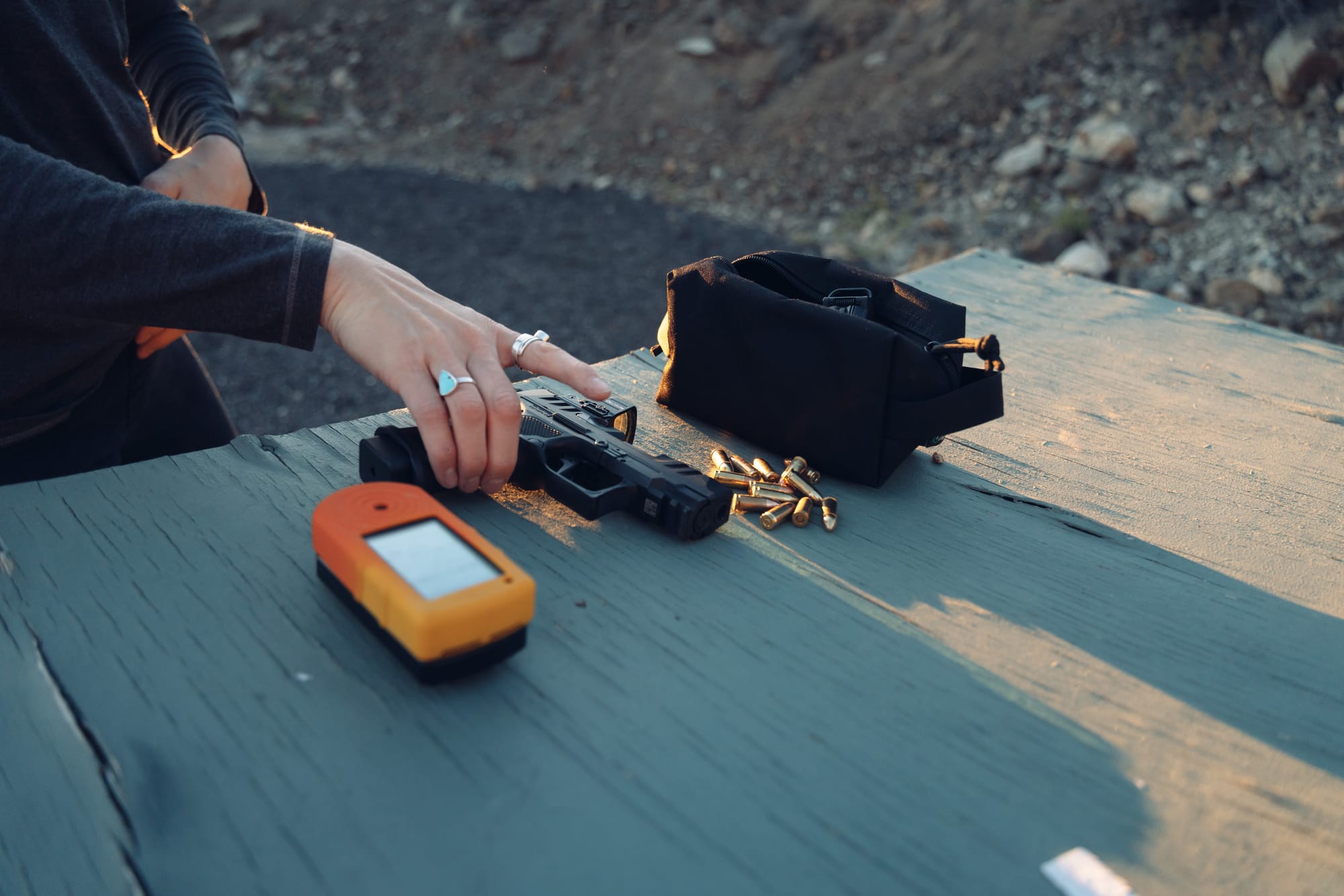
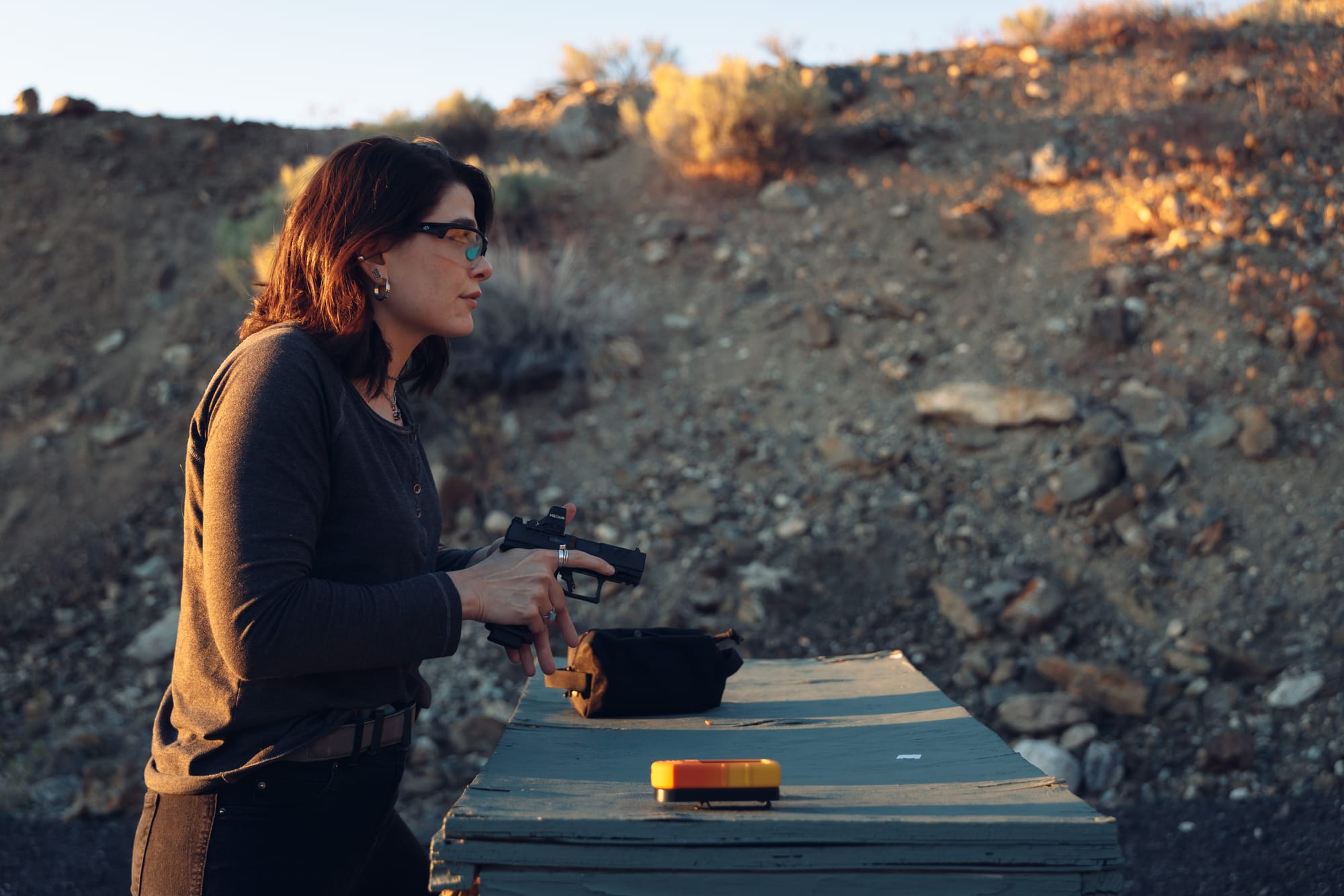
This drill introduces firearm handling and presentation mechanics without immediately introducing the complexity of a holster draw. Practice this drill first with dry fire to ensure safe gun handling.
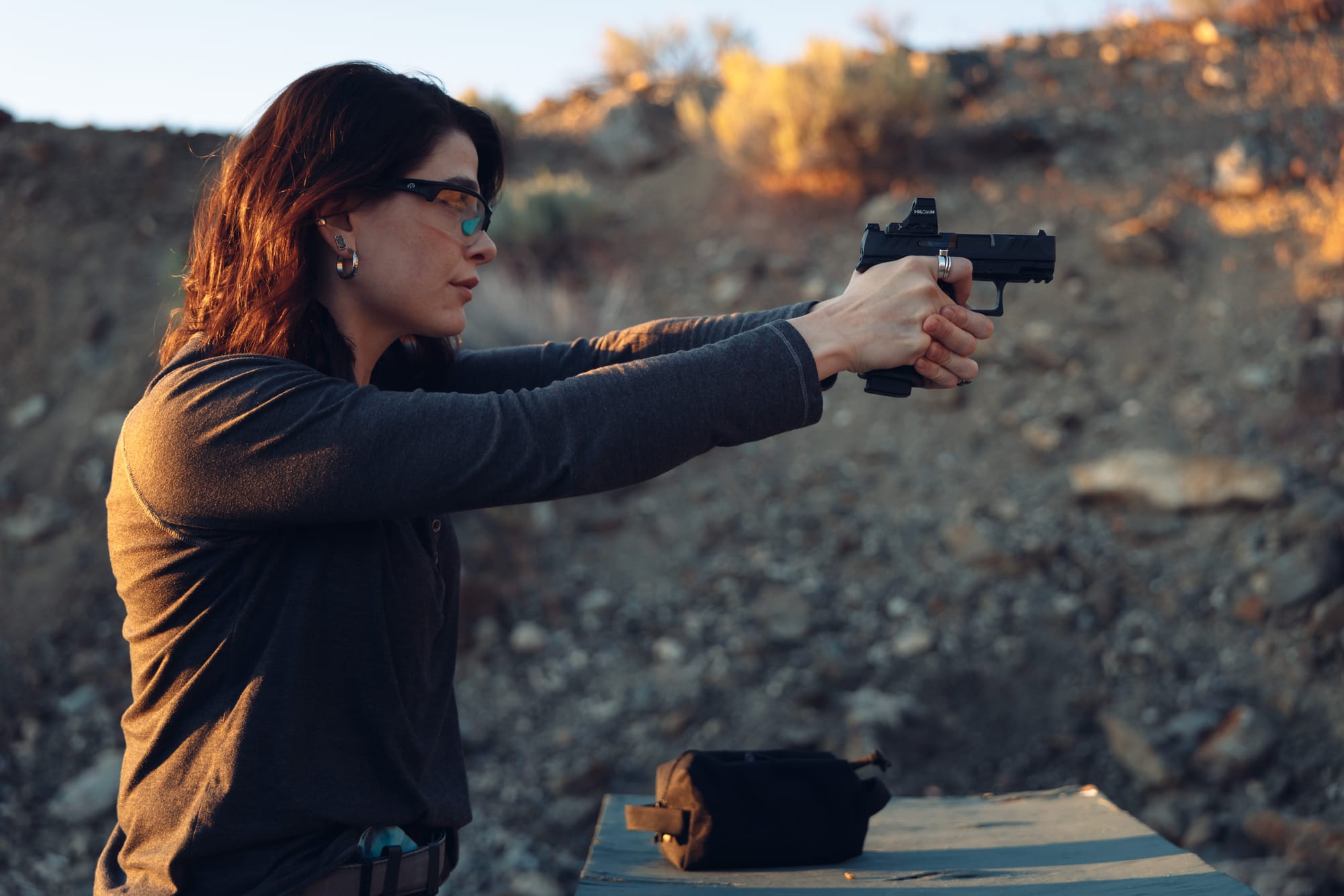
- Distance: 7 yards
Start:
- A loaded firearm staged on a table or a barrel
- Hands relaxed
On timer:
- Safely acquire a full firing grip
- Present the firearm to the target
- Fire 6 rounds into the A-Zone
- Record your time if possible
The goal here is not raw speed. The focus should stay on safe firearm handling, building a repeatable presentation, and developing efficiency before introducing holster work.
Resources:USCCA Training Classes
Preparedness is built in layers. Most people do not need to rush. They need structure, consistency, and enough patience to let the fundamentals become automatic before adding complexity. Stay safe and stay vigilant.