
Echoes from the Marsh
Matt Keller, AmmoSquared Pro, waterfowl hunter, and owner of Old Hat Outdoors, recalls his first goose hunt in Southern Indiana in 1988. With Dad’s old 20-gauge shotgun in hand, he shares a lasting memory of hunting tradition, preparation, and the bond between father and son.

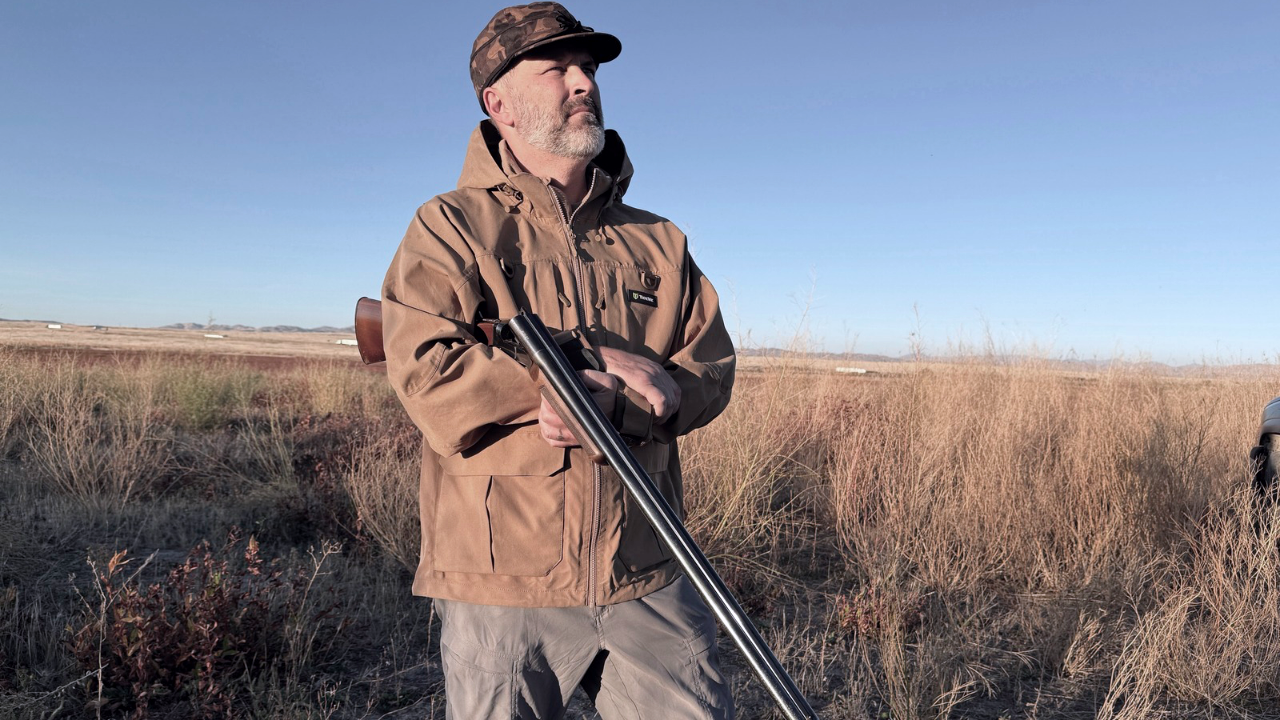
Part 1 — The Hunters Who Came Before Us
There’s something almost sacred about the “firsts” we experience as hunters. First time out with Dad. First time sitting solo in the deer stand. The first duck.
For me, one of those unforgettable firsts came in the late fall of 1988, goose hunting in Southern Indiana with my dad and the old-timer who lived across the street. We had been drawn for a special blind during peak migration, and seeing the excitement in these two seasoned hunters only fueled my own.
This would be my first goose hunt, and in the week leading up to it, every bit of preparation seemed to add to the anticipation. Loading decoys, buying our ammo, doing a little target practice. I was soaking up every moment spent with my dad, and I could tell this was special for him as well.
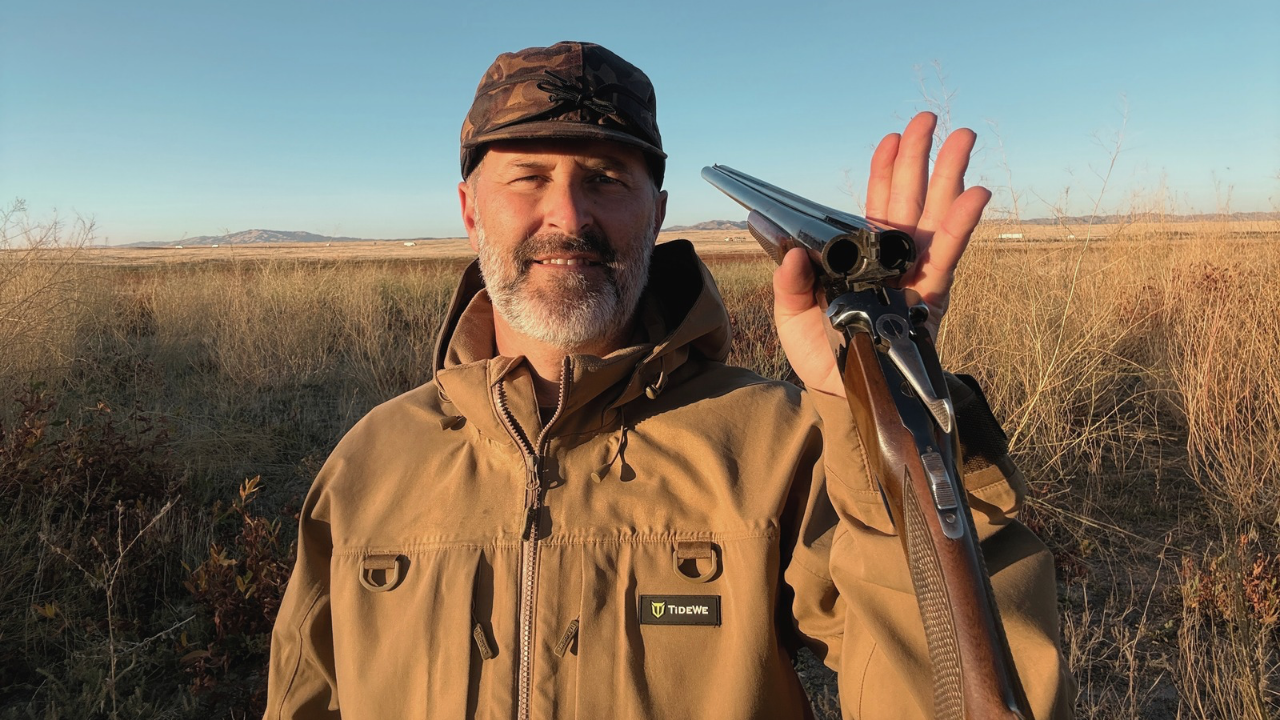
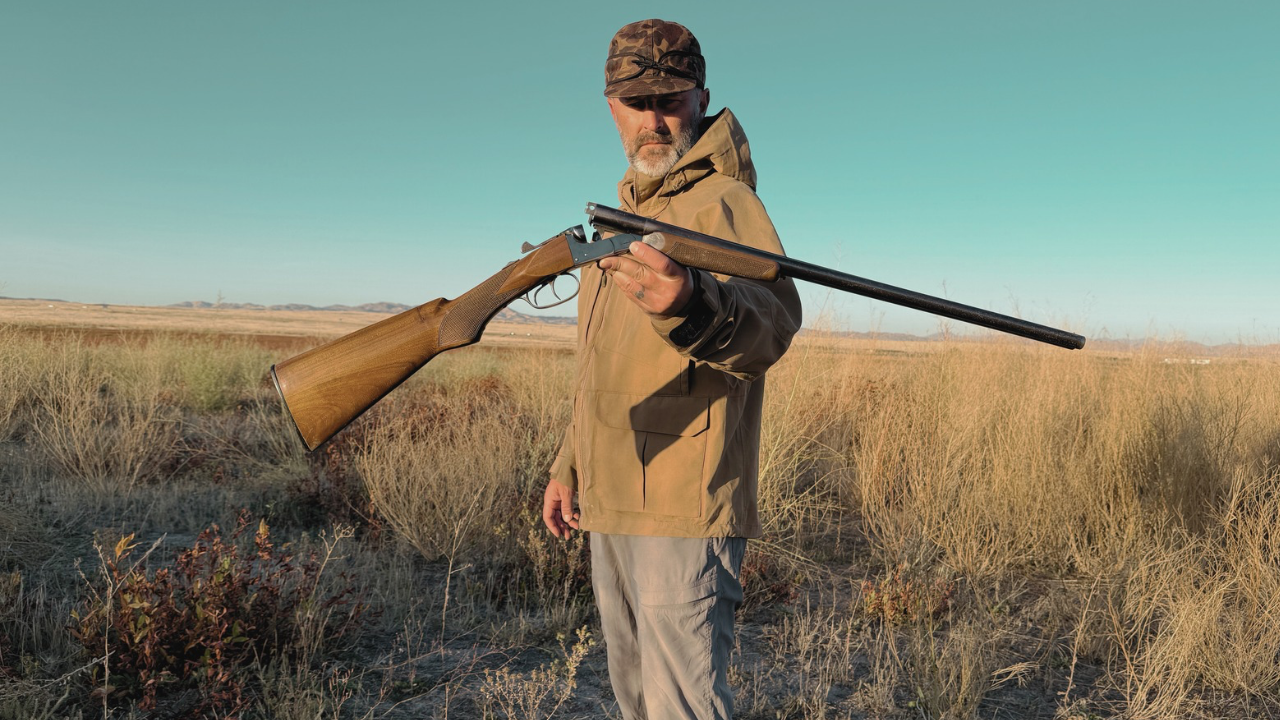
I’ll never forget when my dad handed me the shotgun I’d be using for this hunt. A 20 gauge side-by-side that I had seen him use before on rabbits and squirrels. I found out years later that this was an early 70s Brazilian-made Rossi side-by-side manufactured for Harrington & Richardson. None of that would have meant anything to me anyway. All I cared about was that I got to use Dad’s gun!
Before we knew it, the night before the hunt had arrived. Everything was packed, the gear was ready, and all that was left was a good night's rest before the big day. The problem was, good rest never came. All I could think about that night was finally getting to experience something I had only heard about through the stories my dad and his friends would tell.
I did eventually fall asleep, and the next thing I remember is my dad giving me a little nudge. He didn’t have to say a word, and I was up and dressed about a hundred times faster than I ever was for school.
The day was finally here.
When we arrived at our reserved hunting blind overlooking a chopped corn field, we unloaded the decoys and started to set them out in a way that would hopefully deceive the geese into stopping by for a visit. Unbeknownst to me, there was a strategic plan for each decoy, and the ones I just proudly placed out were quickly moved to their rightful position. Even if my dad and the old-timer didn’t know what they were doing, their confidence in setting the trap convinced me these geese didn’t stand a chance.
With the decoys set we moved our guns and gear into the permanent blind near some standing corn. Not knowing what I know now, that blind was one of the more comfortable hunting blinds I would ever set foot in. We were completely concealed with a nice bench and even individual gun racks. We were ready, and the light to the east was waking up the world around us.
There was something profound that I recognized then that still holds true today. Those moments in the blind as dark gives way to light are some of the most fond memories of every hunt. The sounds of geese in the distance. The smell of hot coffee being passed around. The talk of anticipation of what's to come. Now, some forty years later, it’s this pause before the hunt that keeps me coming back. In a world so full of noise and distractions, I need this more than ever before.
With each passing minute, more of the world around us came into view. The decoys scattered across the field became clearer, along with the landscape stretching out beyond them. The sun had just about reached the horizon when I heard it. A goose honk is pretty recognizable, and we had been hearing them off in the distance all morning.
But this one was different.
These geese were close and moving this way fast. The old-timer was the first to see them, and sure enough, they were heading directly to us. The closer they came to our cornfield and what they thought would be breakfast, the louder they became. I took my eyes off the geese for a second and peeked over at my dad to my right. With his goose call in his hand, he looked at me and just smiled. He didn’t have to say anything, and neither did I. The geese, seven in total, were, in the words of waterfowlers, locked up. They were committed to our trap. Two hundred yards out. One hundred. The old-timer was the one calling the shots that morning, so I waited for him to say the word. The geese came closer and closer. Feet out and wings stretched wide. I didn’t realize how big Canada geese looked in flight as they were about to land.
“TAKE EM”
The old-timer said those words as he had probably said them hundreds of times before. But for me, it was the first time anyone had ever told me to shoot at something other than a target.
In unison my dad and the old-timer stood up to shoot at the unsuspecting honkers. I quickly joined them but didn’t shoot right away. In what probably only lasted a couple of seconds, it seemed to me that time stood still. The shooting to my right, the birds hitting the ground in front of me, it all seemed so surreal. And it wasn’t until both my dad and the old-timer had shot their shells that I realized I hadn’t yet even pulled the trigger. They had dropped three and a couple others skirted off to the side, but there was one goose out in front of me. With the side-by-side up to my shoulder, I looked down that barrel at that goose trying to make a quick getaway. As I started to pull the trigger, I heard the old-timer yell, “Don’t shoot…It’s too far!”
Too late.
My brain had already given the command to that finger, and I pulled the trigger just as he was telling me not to, and to everyone’s surprise, especially mine, that goose dropped. Cheers erupted in the blind. My dad gave me a high five and a smile that I’ll never forget. “Go get your bird, son”, he said. We all exited the blind, and as they were grabbing their close birds, I started to run out towards my goose. As I got closer, I had so many emotions running through my body. I kept replaying the shot in my head, almost like I didn’t believe it actually happened.
And that’s when I saw it.
The big goose was lying chest down, but one of its legs was sticking out to the side and on that leg was something shiny. Waterfowl hunters all around the country have a strange obsession with a little piece of aluminum wrapped around the occasional duck or goose leg. These leg bands are put on by state and federal wildlife agencies to help track bird movements and harvest numbers. They’re all individually numbered and dated, with a way to report your band information to the right people. Now you can easily report the leg band information online, but not too long ago it was done over the phone or through the mail. For those fortunate to harvest a duck or a goose with a band, they typically then put them on their lanyard with their duck and goose calls to proudly display their trophy. In some areas, leg bands are fairly common, and if you hunt all season, you might get a band or two. In some areas you could hunt for years and never see one. Now if you go back to the late 80s in Southern Indiana, it was pretty rare to even hear of someone shooting a bird with a band. As a young boy picking up his first goose on his first goose hunt, I knew none of this. I grabbed that goose by the neck, sat down, and admired what an incredible bird it was. Its feathers were so thick that I remember wondering if this was what my pillow was made of. I studied the contrast of the black and white feathers on its head and thought about how my mom might prepare it after I brought it home and cleaned it.
My dad motioned for me to come back to the blind, so I grabbed the goose, flung it over my shoulder, and walked back to him with my head held high. I couldn’t wait to show him and the old-timer my first bird, and as I approached the blind I held it up high for them to see.
“IT’S BANDED!”
I heard the old-timer say some choice words under his breath and come running out to see it. My dad stared with what seemed to be disbelief, and then he just started laughing. For anyone who knew my dad well, they would always comment on how his laugh would fill the room. It was one of those deep, full-body laughs.
I miss that.
The old-timer grabbed that goose by the leg and brought that band up close to his face so he could read it. I found out that morning that in all his years of duck and goose hunting he had never shot a banded bird. And here I was, on my first goose hunt, holding a banded bird after my very first shot. The same bird the old-timer had told me not to shoot.
Nearly forty years later, that band is a great reminder of my first goose. But the things I treasure most from that morning can’t be hung on a lanyard. Sure, shooting that banded goose on my first hunt was pretty awesome. But what stands out to me from that memory and from my current hunts is never really the harvest itself. It’s the pause right before shooting light. It’s the sights and sounds of the outdoors. And most importantly, it’s those we share those memories with.
My dad has been gone 22 years now, but I can still hear his laugh. I still hunt over some of his old decoys. I do things with my kids that he first did with me, and I’ve had the privilege of watching them experience some of their own firsts.
Maybe that’s what makes those firsts so sacred. At the time, we think they’re about the first hunt, the first shot, or the first bird. It’s often not till years later that we realize they’re really about the people that were there with us.
What my dad passed down to me was so much more than hunting. It was a love for wild places, an appreciation for God’s creation, and a way of spending time with the people we love.
And now it’s mine to pass down.