
Considerations for the Suppressor Renaissance
Suppressors are more accessible than ever, but building a truly effective suppressed rifle or pistol takes more than threading on a can.

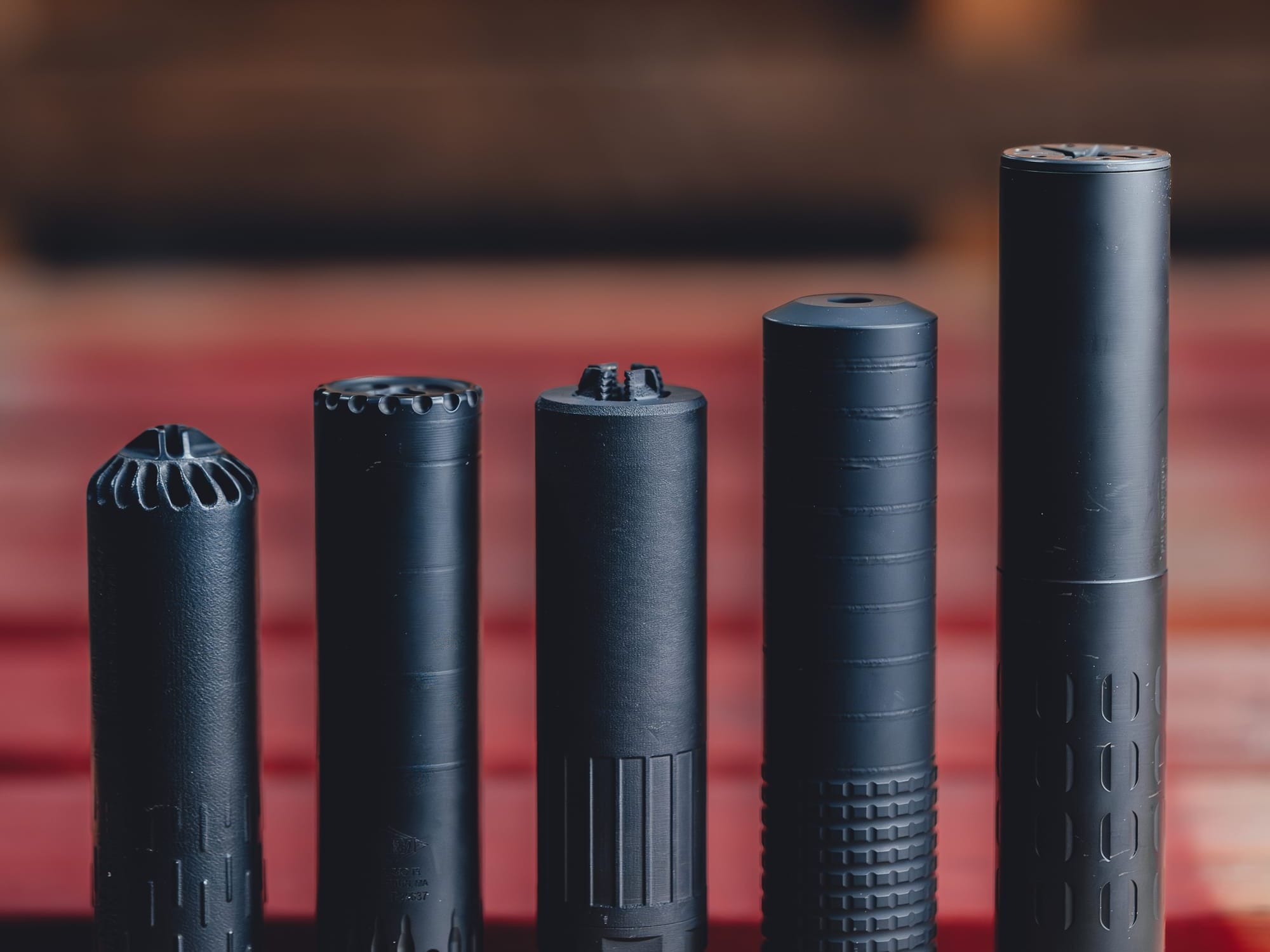
Suppressors are having a moment. But it isn't just a passing, flash-in-the-pan trend kind of moment. They're actually mainstream now. Wait times are dropping, and with the $200 tax stamp finally out of the equation, getting into the suppressor game isn't quite the bureaucratic nightmare it used to be.
That said, this is where people get it wrong.
They treat a suppressor like it's just another accessory. Something you thread on, send a few rounds down range, and call it good.
But suppressors are a sophisticated system. And if you don't support that system with the right barrel, the right ammo, and a clear idea of what you want the gun to actually do, you're setting yourself up for frustration. Or worse, you'll walk away muttering that suppressors are overrated.
They're not overrated.
But they are particular. Finicky, even. Well, they can be.
Let's talk about why.
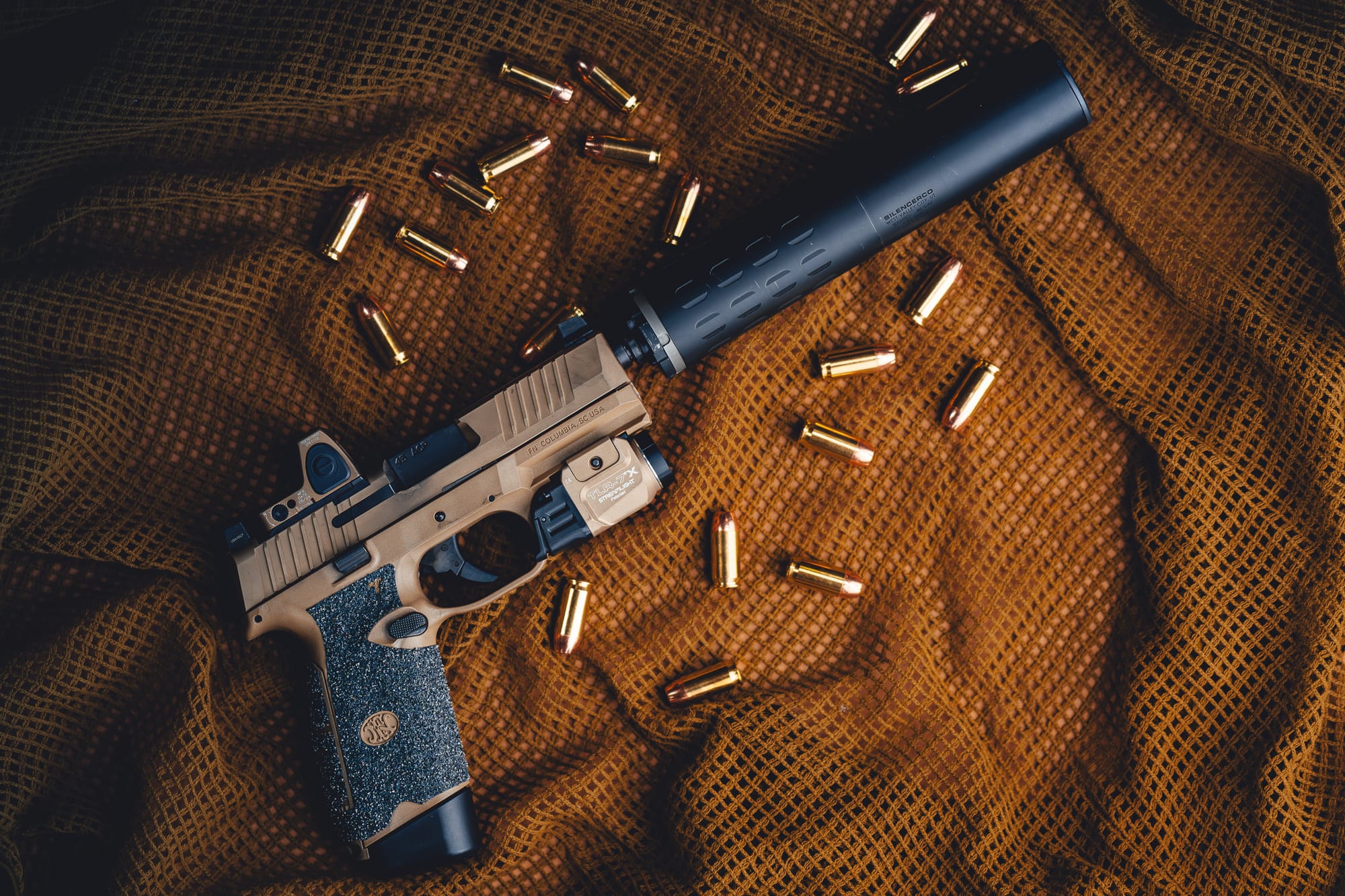
Barrel Length Isn't Just a Detail
The first mistake is slapping a can on whatever barrel you've got and expecting it to perform like some Hollywood fantasy with whisper-quiet performance.
Physics don't play that way.
Barrel length determines your velocity, which, in turn, affects subsonic-versus-supersonic performance. And once that bullet goes supersonic, you're getting that signature crack downrange that no suppressor can possibly mitigate.
That's the part people miss. A suppressor only contains and cools expanding gases at the muzzle. It has zero control over what happens once that projectile is in flight. If you're pushing it past the speed of sound, the noise is already baked in.
Barrel length and cartridge design can be on the same team, though.
Some cartridges were never really intended to live in short barrels or be optimized for suppression. Others, though, were purpose-built with that exact role in mind.
Which is precisely why .300 Blackout became the poster child for suppressed shooting. It's a cartridge specifically engineered to burn its powder efficiently in short barrels and to run heavy bullets at subsonic speeds without sacrificing reliability.
A short barrel, say 7, 8, or 9 inches, paired with heavy subsonic ammo, keeps velocity below the speed of sound while still delivering serious mass on target. Everything is working in harmony to deliver smooth, consistent, and quiet performance.
Now, run that same subsonic .300 Blackout through a 16-inch barrel. Even without a chronograph, you'll quickly notice a change in performance and sound suppression.
Same deal with 9mm. A compact pistol usually keeps 147-grain rounds subsonic, but a longer barrel might make the whole "subsonic" thing a moot point. Most 147- and 150-grain factory stuff is meant to stay subsonic in a standard handgun, but 'most' doesn't mean 'all.'
All of this is to say that barrel length and velocity are a package deal. If you're not paying attention to how they play together, you're just rolling the dice.
Subsonic Ammo As A Differetiator
Subsonic ammo isn't just regular stuff with the volume turned down…if ever there was such a thing. No, subsonics are specifically formulated and tuned with heavier bullets, different powders, and a whole new pressure curve. The whole point is to keep things under 1,125 feet per second and still have your gun run right.
That last bit matters more than most folks realize, though.
Achieving subsonic velocities is fairly easy. Making subsonic ammo run consistently and reliably in a semi-auto is the trick.
On a semi-auto pistol, especially in 9mm, a suppressor adds significant weight. That additional weight messes with how the barrel unlocks and throws off the timing. All of a sudden, the gun that ran flawlessly for 5,000 rounds unsuppressed starts acting a little moody.
That's just mechanics.
Some pistols run suppressed right out of the gate and never hiccup. Some need a booster, also called a Nielsen device, to help the barrel cycle properly under that added weight. And some? They're just picky. One 147-grain load runs fine. Another brand at the same weight gives you sluggish cycling or inconsistent lockback.
The recoil impulse changes, too. The gun tracks differently. The return-to-zero feels different. It's subtle, but it's there.
Same thing with .300 Blackout subs. When you step into 190-, 200-, or 220-grain territory, you're launching a heavy chunk of lead at stupid-slow speeds.
Which brings up another thing people forget when it comes to suppressors: zero.
If you zero your .300 Blackout with 110-grain supers and then load up with 220-grain subs, your point of impact is going to shift. Sometimes more than you expect. That's not the suppressor's fault. That's bullet weight and velocity doing their thing.
The big takeaway here isn't that subsonics are complicated; it's that they're intentional. So, match that energy. Be intentional with your ammo choices.
A Little Gassy
Suppressors are built to trap gas. That's the whole point.
But that gas has to go somewhere.
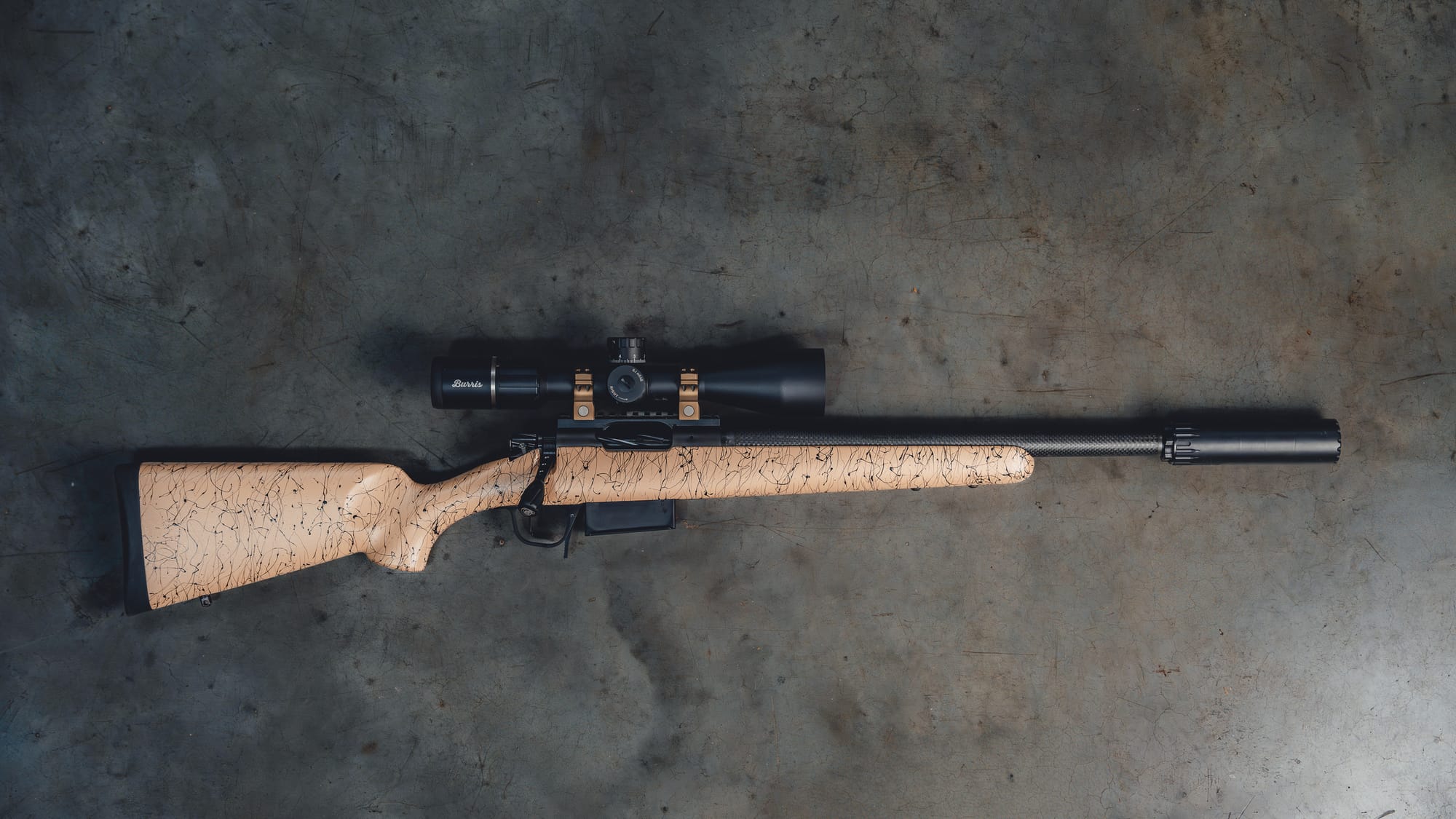
On a semi-auto rifle, especially an AR platform in .300 Blackout, more back pressure means more gas coming back into the system. Sometimes that means more wear. Sometimes it means more gas in your face. Sometimes it means your rifle runs a little "gassier" than it should.
Adjustable gas blocks and tuned buffer systems exist for a reason.
You don't have to turn your rifle into a science fair project, but knowing that running suppressed means more back pressure will save you a lot of headaches.
Just sayin’.
The Real Reason It's Worth It
Once you dial in your barrel length, your ammo choice, and your setup, suppressed shooting is addictive.
It's easier on your ears, easier on everyone around you, makes training and talking way simpler, and is just a joy to shoot.
With .22 LR subs and a good can, you get that grin-inducing, pellet-gun quiet. Trust me, it never gets old.
With 9mm subs, especially indoors or shooting steel, you cut down that sharp crack that makes long-range days a chore.
With .300 Blackout subs in a short barrel, you get this deep, controlled thump that'll have you wondering why more rifles aren't set up that way.
But none of this works if you treat the suppressor like an afterthought.
Barrel length matters. Twist rate matters, especially when you're stabilizing heavy .300 Blackout bullets. Ammo choice matters. Velocity matters… you get the point.
It isn't rocket science, though. Well… maybe.