The Road to Gold: Part I — The Shotgun World Shoot Journey Nobody Sees
Becoming a world champion wasn't the original goal. Becoming a better instructor was. Follow the journey from learning a new discipline and qualifying for Team USA to discovering the dedication, preparation, and commitment required to compete on the world stage.

A very different starting line
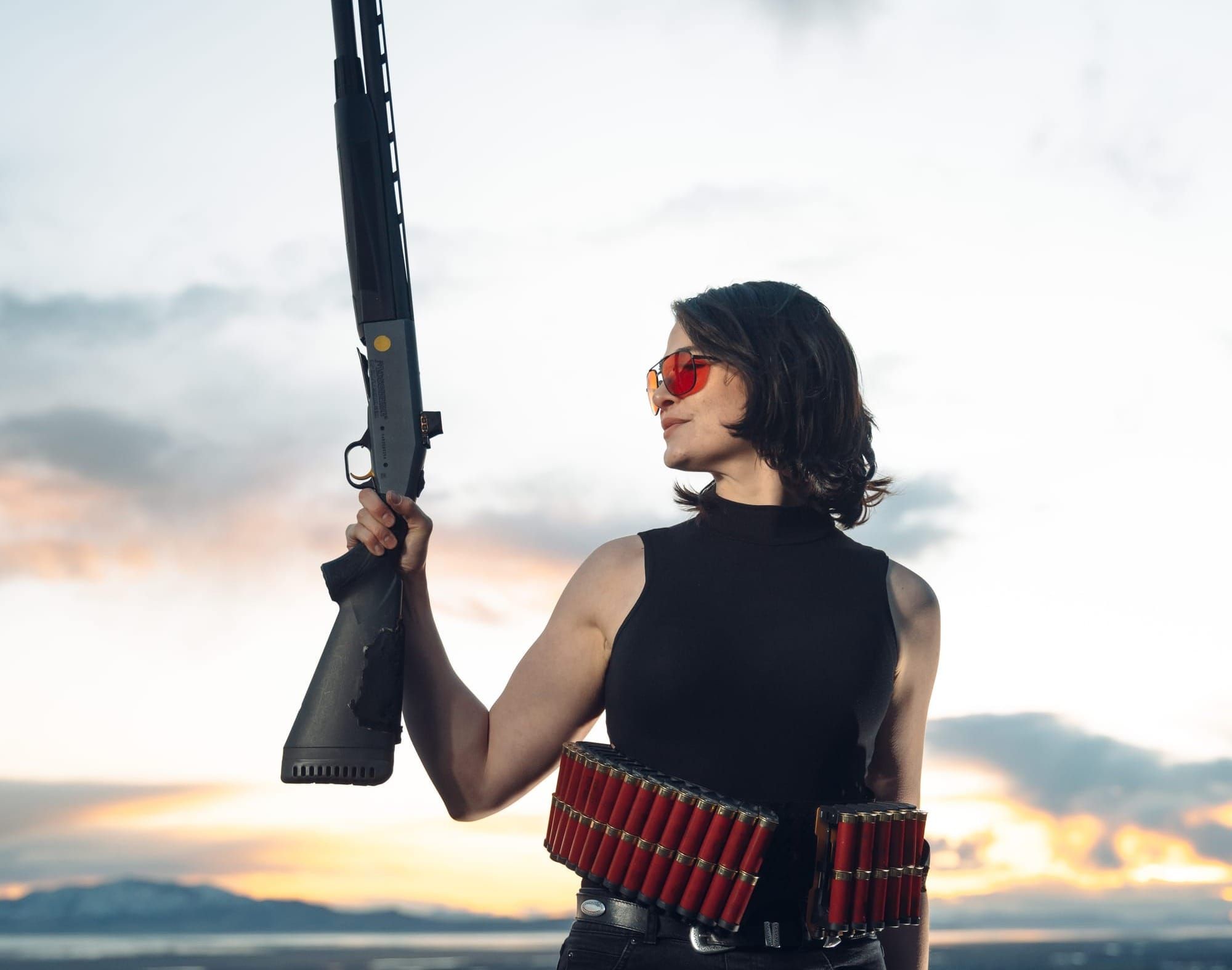
I did not set out to become a shotgun world champion. I set out to become a better defensive-shotgun instructor. That distinction is important, because it explains why I was willing to commit to an entirely new competitive discipline in the first place.
As a firearms instructor and a competitive handgun shooter, I have long used USPSA as a way to sharpen skills that matter to me beyond a match: safe gun handling, efficiency, accountability and performing with pressure on the clock. Competition and defensive training are not interchangeable, but they can complement each other. I believed the same would be true of shotgun. If I wanted to teach defensive shotgun responsibly, I wanted to understand the platform as deeply as I could. What better way to challenge my competence than preparing for the IPSC Shotgun World Shoot?
That idea took shape in July 2025. At the time, the world championship in Corinth, Greece, was still more than a year away. I could see the opportunity, but I could not yet appreciate how much of my life it would ask of me.
Four months, three qualifiers, one enormous goal
To even earn a shot at representing the United States, I had roughly four months to complete three qualifying matches. There was no guarantee that all the work would lead to a position on the team. I was learning to compete with a shotgun at the same time I was trying to produce qualifying results.
I am especially thankful to my teammate Lena Miculek for helping me prepare during that phase. Her experience and willingness to share knowledge made a real difference. I also met people along the way who reminded me why I love shooting sports: the community can be extraordinarily generous with its time, encouragement and expertise.
When I learned I had qualified, it was one of the best feelings I have ever experienced. That moment was not an ending, though. It was permission to begin the much larger job of preparing for a world championship.
The training nobody sees on a highlight reel
It is easy to watch someone shoot a shotgun stage and focus on the noise, speed and knocked-down steel. It is harder to appreciate the hours of work that make that performance possible.
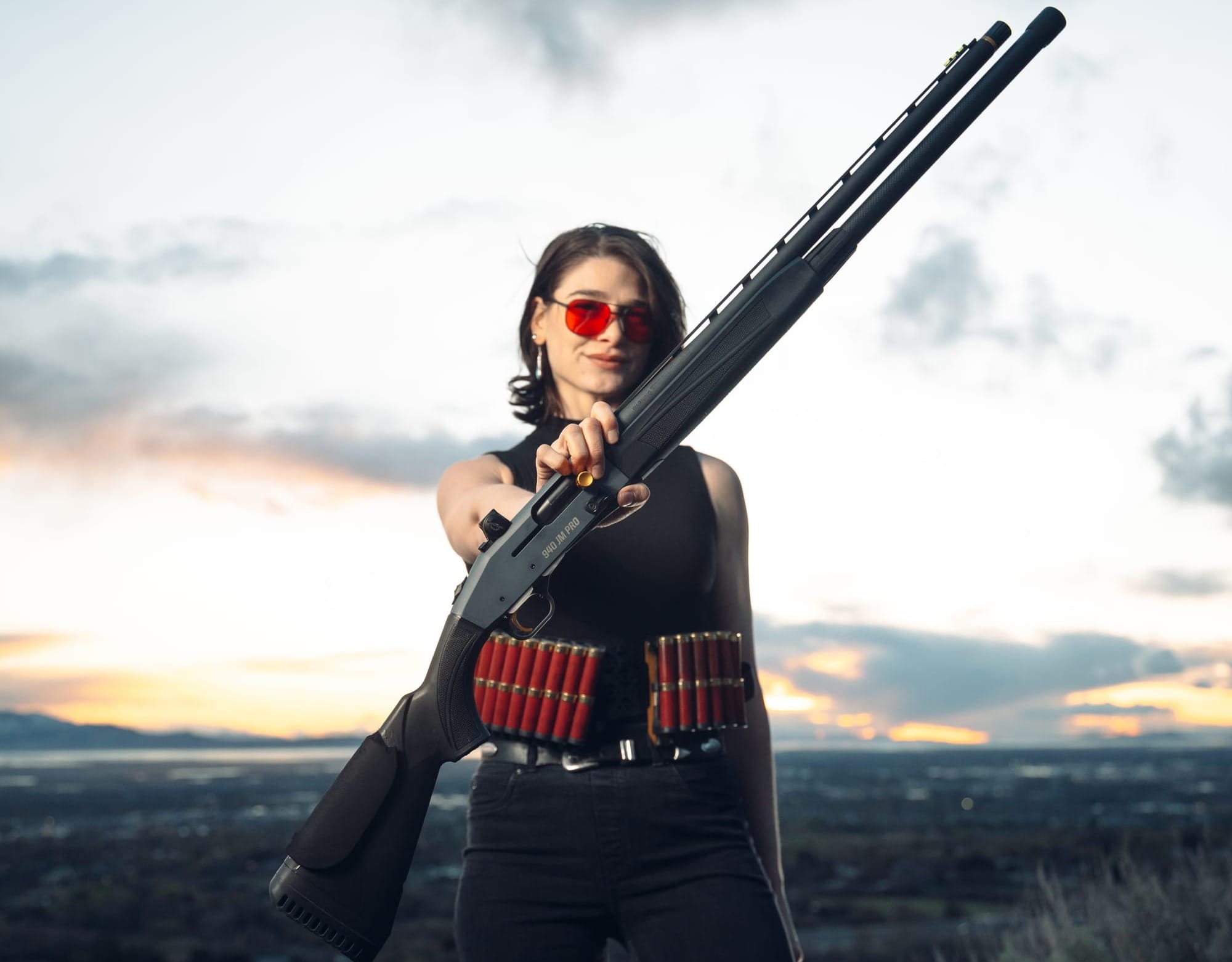
Quad loading was a perfect example. For anyone unfamiliar with competition shotgun, this is a specialized loading technique in which competitors handle four shells in a sequence to replenish the shotgun efficiently. It looks fluid when an experienced competitor does it. Learning it is a very different experience. I was committing at least 30 minutes a day to dry-fire and handling practice, alongside multiple live-fire sessions each week. Those sessions could involve roughly 200 to 400 shells apiece.
Every repetition demanded concentration. Hands get tired, mistakes compound and the physical wear is real. A shotgun is not a handgun with a longer barrel. Recoil, weight, loading mechanics and the sheer volume of ammunition make it an entirely different physical and logistical commitment.
And then there is travel. Shotguns need long protective cases, which are awkward to move through airports and hotels. Ammunition is heavy, and airline limits and match logistics mean you cannot just pack everything as if you are driving to a local range. Add registration, transportation, accommodation, equipment and ammunition costs, and the price of pursuing a world-level goal adds up quickly.
Making consistency possible
One thing I learned quickly was that my ammunition needed to be part of the plan, not a problem I solved at the last minute. When you are training multiple times a week, a single trip to buy a couple of boxes is no longer a meaningful strategy.
Ammo Squared was helpful in that bigger picture. Being intentional about building an ammunition budget and maintaining a supply removed some of the friction from staying consistent. It did not make a world championship inexpensive, but it helped me treat ammunition as a recurring training resource rather than an occasional purchase. For this level of preparation, that distinction matters.
Qualifying taught me something I would carry through the rest of the journey: ambition can inspire you to start, but a system is what lets you keep showing up. By the time I earned my place on Team USA, I had already gained friendships, experience and an entirely new respect for the discipline. The hardest work was still ahead.