
Concealed Carry from Scratch Part III: Building a Sustainable Training Lifestyle
Many shooters start highly motivated. They buy the gear, take a class, go to the range constantly for a few months, then eventually fall off because the process was never sustainable to begin with.

Most people stop training because they never build systems that make consistency realistic.
Many shooters start highly motivated. They buy the gear, take a class, go to the range constantly for a few months, then eventually fall off because the process was never sustainable to begin with.
Preparedness works much better when it becomes part of normal life instead of becoming an all-or-nothing hobby.
One of the biggest mistakes I see is people trying to do too much too quickly. They burn through large amounts of ammo in a short period of time without structure, measurable goals, or any real progression plan. Eventually, the cost becomes frustrating, life gets busy, and training falls apart completely.
It is much easier to stay consistent when the training system actually fits your lifestyle.
For some people, that simply means setting realistic monthly round-count goals. For others, it means scheduling dry fire more intentionally or finally starting to track measurable standards with a shot timer and notebook instead of casually shooting without direction.
The shooters I tend to see improve the most long-term usually are not the ones doing the craziest training or burning through the most ammo all at once. More often than not, they are simply the people who found a way to stay consistent over time.
One of the biggest things that interrupts that consistency is friction. Ammo gets harder to find, prices fluctuate, people forget to restock, and suddenly range sessions become something that takes significantly more effort to plan.
That is honestly one reason I appreciate systems that simplify ammo management and remove some of that mental load. When ammunition is consistently available, training becomes much more intentional instead of reactive, and staying consistent starts feeling far more realistic long-term.
Part III Live Fire: Holster Bill Drill
For shooters who are confident in their firearm handling fundamentals and safe draw stroke, this is where the Bill Drill progression begins, introducing concealment work. Practice this drill first with dry fire to ensure safe gun handling.
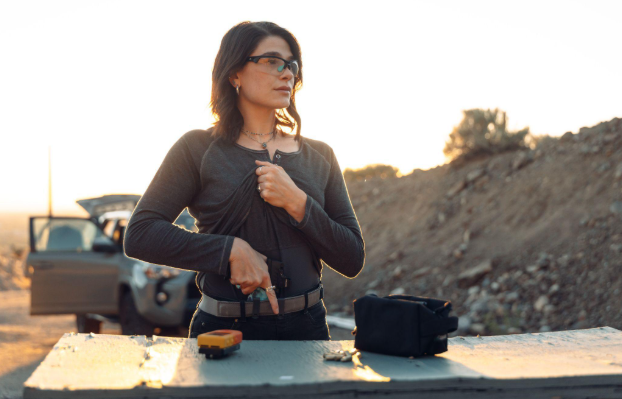
By this stage, the shooter should already understand the general mechanics of safely drawing from concealment. If someone does not yet have a solid basis for their drawstroke, I would strongly encourage slowing things down and building the movement step-by-step before introducing speed. The first step is clearing the concealment garment aggressively enough to fully access the firearm. One of the easiest ways to accomplish this is by hooking the bottom hem of the shirt with the fingers while the hand is rotated upside down, then pulling the garment high enough to keep it clear throughout the draw. From there, the strong hand should establish a full firing grip on the firearm while it is still in the holster before the gun ever begins moving. Once that grip is established, the firearm should be drawn upward into a compressed ready position near chest height, where the support hand can consistently meet the firearm and complete the grip. Only once the grip is fully built with both hands should the firearm begin driving outward toward presentation. A lot of newer shooters rush the extension before the grip is actually complete, which usually creates inconsistency, poor recoil management, and unnecessary movement throughout the draw.
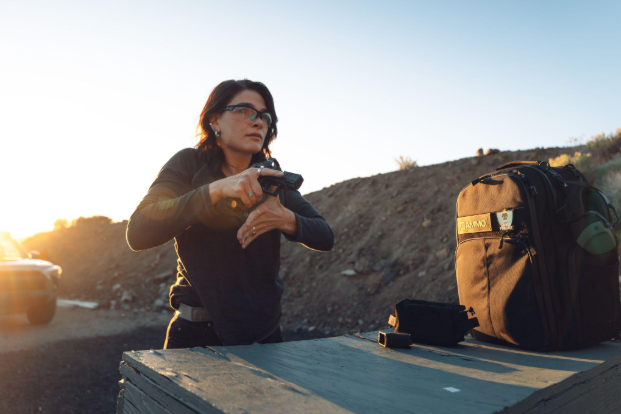
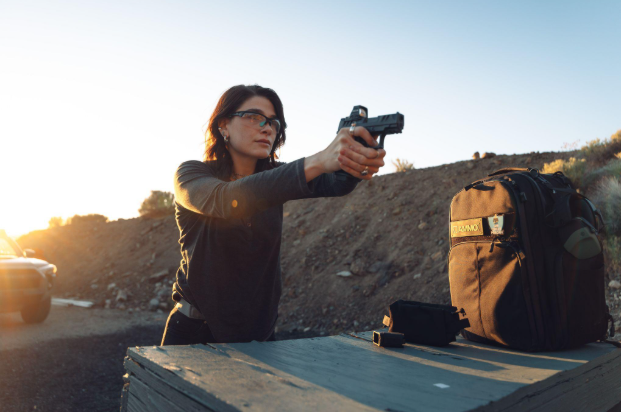
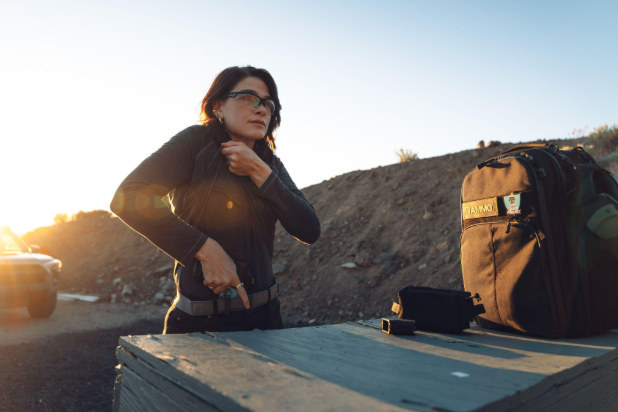
- Distance: 7 yards
Start:
- Holstered pistol
- Hands staged high near the chest/face area
On timer:
- Draw
- Fire 6 rounds into the A-Zone
- Record your time if possible
The reason I like progressing the Bill Drill from compressed ready, to table start, and eventually into holster work is because it gives shooters time to clean up their firearm handling before layering on additional complexity.
I would much rather see someone move slowly and safely with a clean drawstroke than rush into speed before the fundamentals are actually stable.
The focus here should stay on:
- safe garment clearing
- efficient grip establishment
- visual accountability
- maintaining control while speed increases
If you are new to drawing from a holster, do not force speed before your gun handling becomes clean and consistent. There is absolutely nothing wrong with slowing down and building smooth, safe repetitions first.
That foundation matters later.
Resources:USCCA Dry Fire & Training Resources
NSSF Consumer Research Reports
Preparedness is not really a finish line. The people who stay capable long-term are usually the ones who continue treating training like an ongoing responsibility instead of something they completed once and moved on from.
The goal is to become more capable, more accountable, and more prepared over time. Stay safe and stay vigilant.